Information checked October 13, 2026. Dynamic Workflows remains a changing product surface. Verify current availability, limits, supported environments, and pricing in Anthropic's documentation before designing around it.
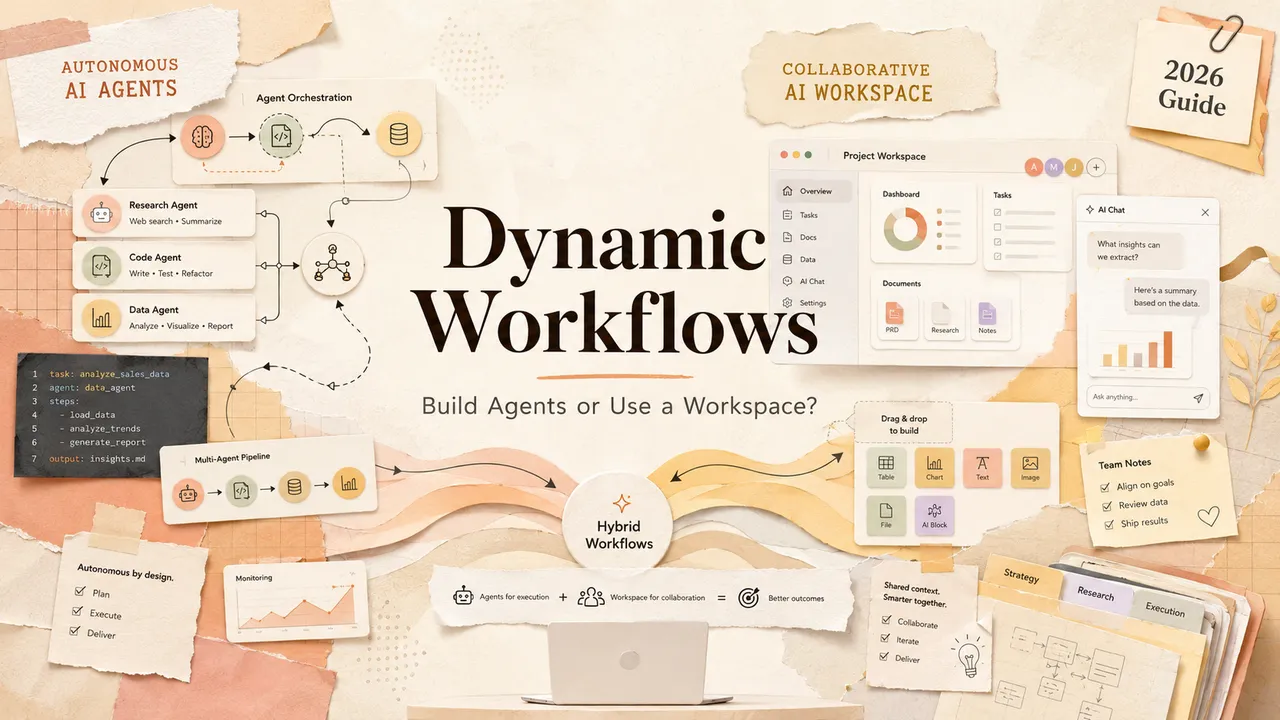
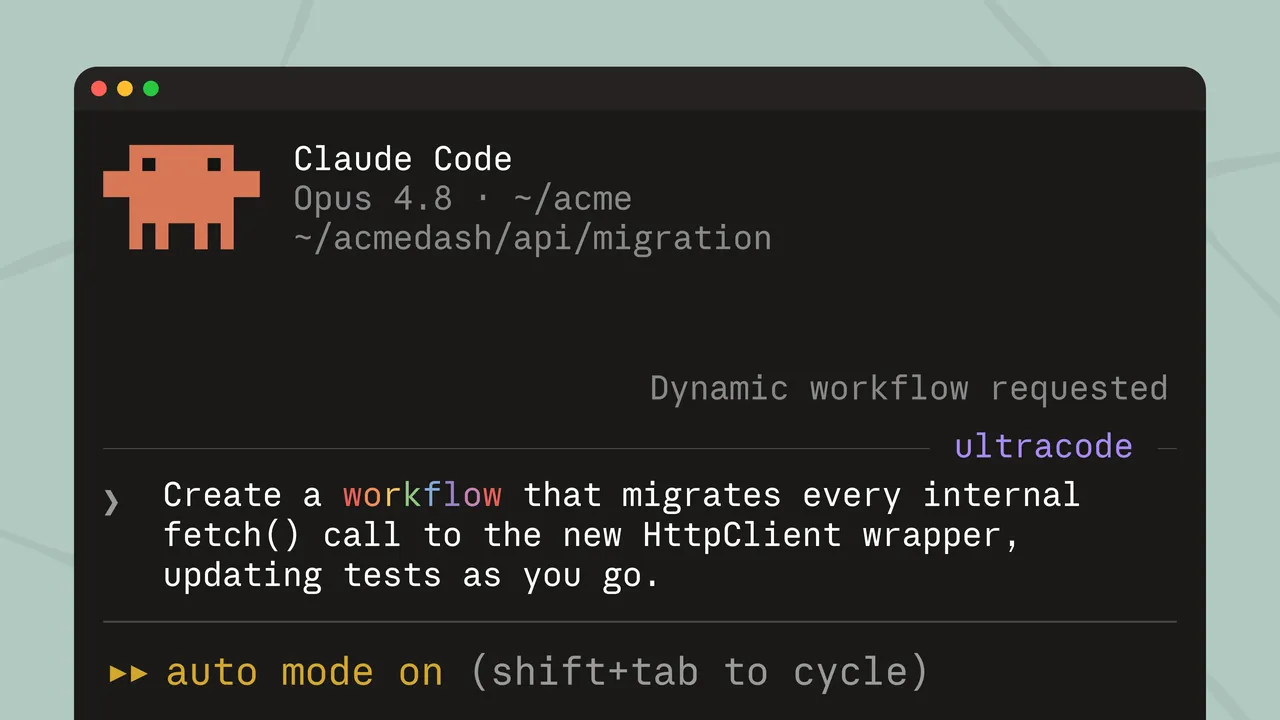
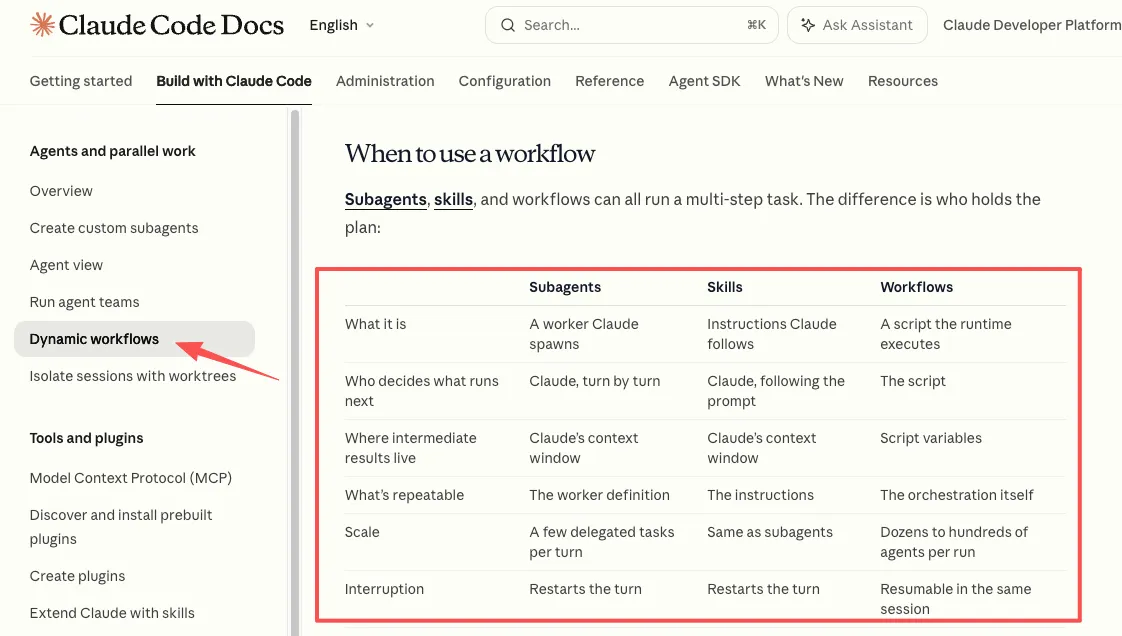
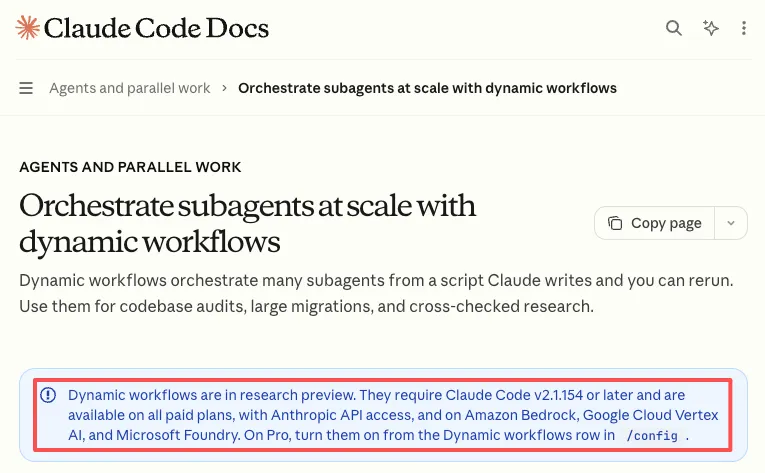
Anthropic's Dynamic Workflows announcement and workflow documentation describe a way to generate orchestration code that delegates parts of a task to subagents and consolidates results. The practical decision is not whether multi-agent orchestration looks impressive. It is whether your repeated task needs custom control badly enough to justify building and maintaining that orchestration.
What you are choosing between
Build orchestration when you need explicit decomposition, specialized agent roles, custom validation, reproducible code, and control over tools or execution order.
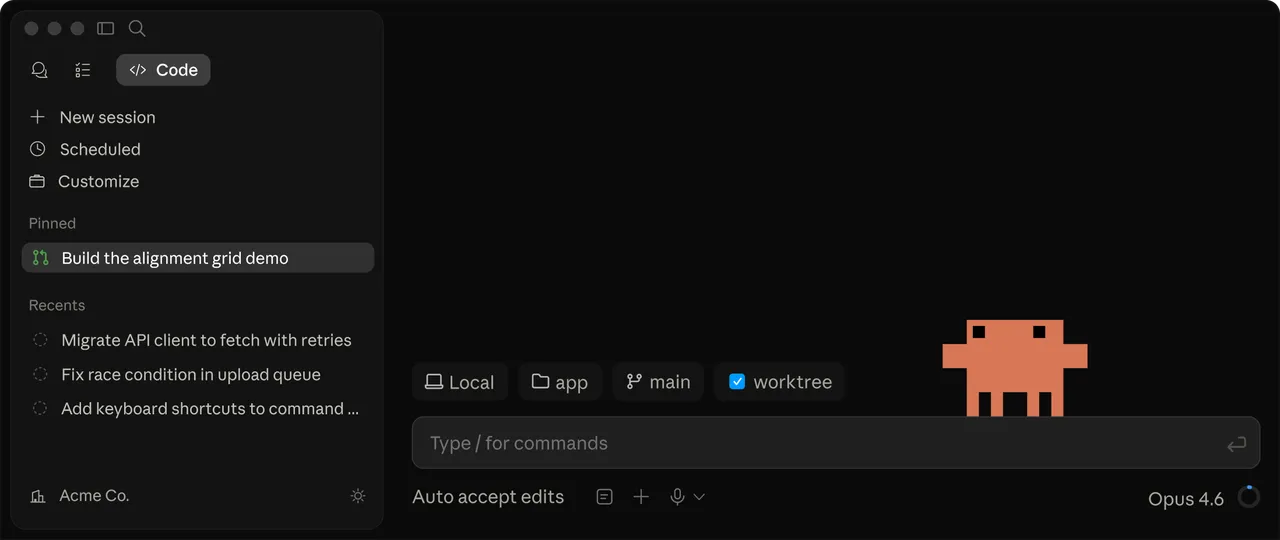
Use an agent workspace when the main need is to keep files, instructions, tools, approvals, and outputs together so a person can direct and review changing work without maintaining orchestration code.
These options overlap. A workspace may run workflows, and a custom workflow may use a workspace for artifacts and review. The question is which layer your team should own.
When building is justified
Build when all of these are true:
- the task repeats often enough to repay design and maintenance;
- parallel or specialized roles materially improve the result;
- success can be checked with tests, evidence, or a rubric;
- the tool and permission boundary can be kept narrow;
- someone owns failures, cost, version changes, and recovery.
Examples include a repository migration with independent analysis and verification, or a recurring research review where sources, contradictions, and citations need separate passes. Start with one bounded case and compare it with a single-agent baseline; do not assume more agents mean better results.
For the broader engineering decision, see build or buy for agentic systems. For repeated-task design, use the agent task-contract guide.
When a workspace is the better first move
Choose a workspace first when:
- inputs and desired outputs change from run to run;
- a person must steer the task or inspect intermediate artifacts;
- existing files and connected apps matter more than custom coordination;
- you need visible approvals and run history;
- maintaining orchestration is not part of the team's core work.
“Workspace” is not a promise of autonomy. Capabilities depend on the product, deployment, connectors, permissions, and approval controls. Our guide to AI workspace agents explains what to verify.
A decision scorecard
| Question | Build orchestration | Use a workspace |
|---|---|---|
| Is the sequence stable and repeated? | Strong signal | Useful but not required |
| Does parallelism have measured value? | Strong signal | Usually secondary |
| Must a person redirect work mid-run? | More engineering | Natural fit |
| Are artifacts and approvals central? | Must be built | Often built in, verify |
| Who maintains failures and upgrades? | Your team | Vendor plus your configuration |
| Can success be evaluated? | Required | Still required |
Original visual references
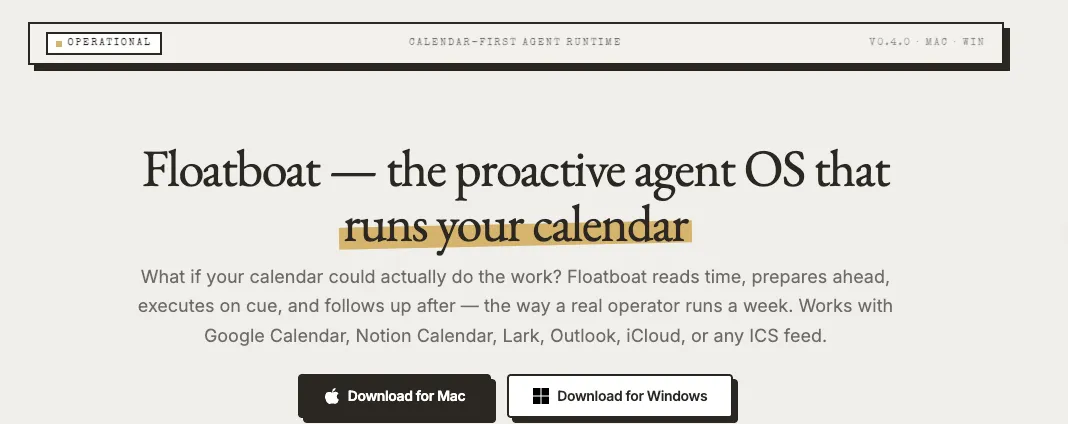
These images are restored from the article's original publication to preserve interface, workflow, and comparison context. Any product UI, pricing, benchmark result, or model availability shown is a historical capture; verify current official information before making a decision.
Run a reversible pilot
Select one task, record a single-agent baseline, define an acceptance rubric, and cap tools, time, and spend. Test failure paths, not only the happy path. If custom orchestration improves quality or throughput enough to cover its operational cost, keep it. If the value comes mainly from shared context, artifacts, and review, use a workspace and avoid owning extra infrastructure.
The honest choice is not “powerful” versus “simple.” It is custom control versus operational ownership.
Related posts
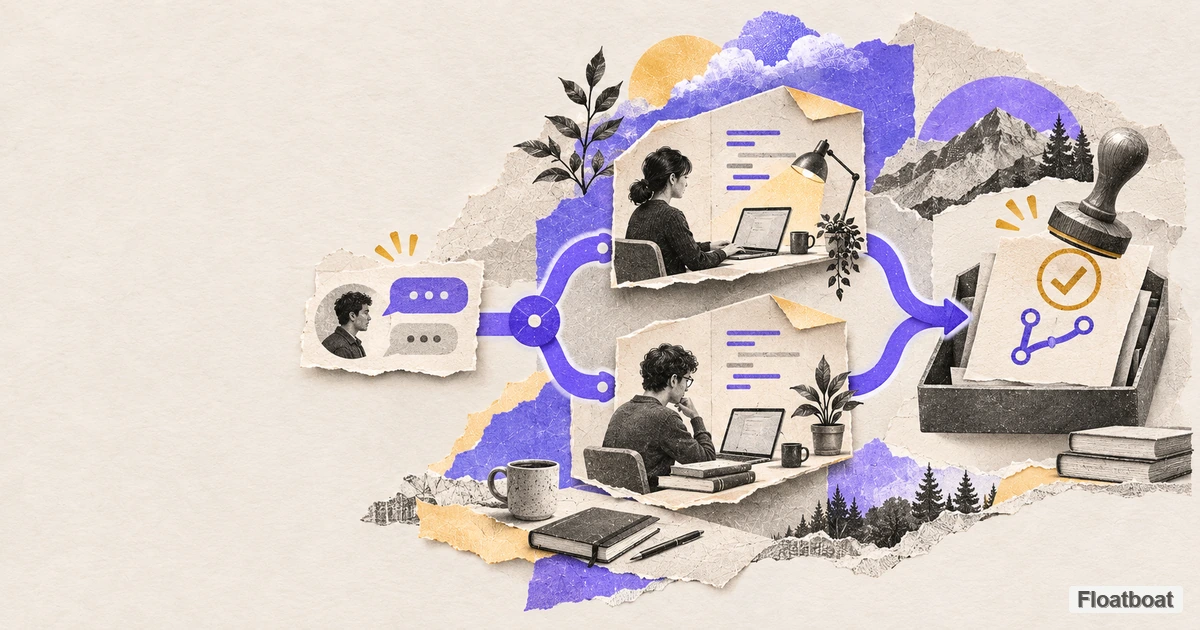
DeepSeek DSH Superagent: From GitHub Requests to Agent Workflows
Understand how DeepSeek's DSH Superagent prototype turns authorized GitHub and Feishu requests into coding tasks, and which workflow…
What Is Gemini Agent? Google's Universal Work Agent Explained
Gemini Agent is Google's universal work agent for persistent tasks, multi-agent coordination, model routing, and work across business…
AI Agent Connectors Explained: MCP, OAuth, and Permissions
Learn how AI agent connectors use MCP, OAuth, scopes, resource permissions, and approval gates—and how to evaluate a connector before it…
https://floatboat.ai/blog/dynamic-workflows-build-or-use-workspace