
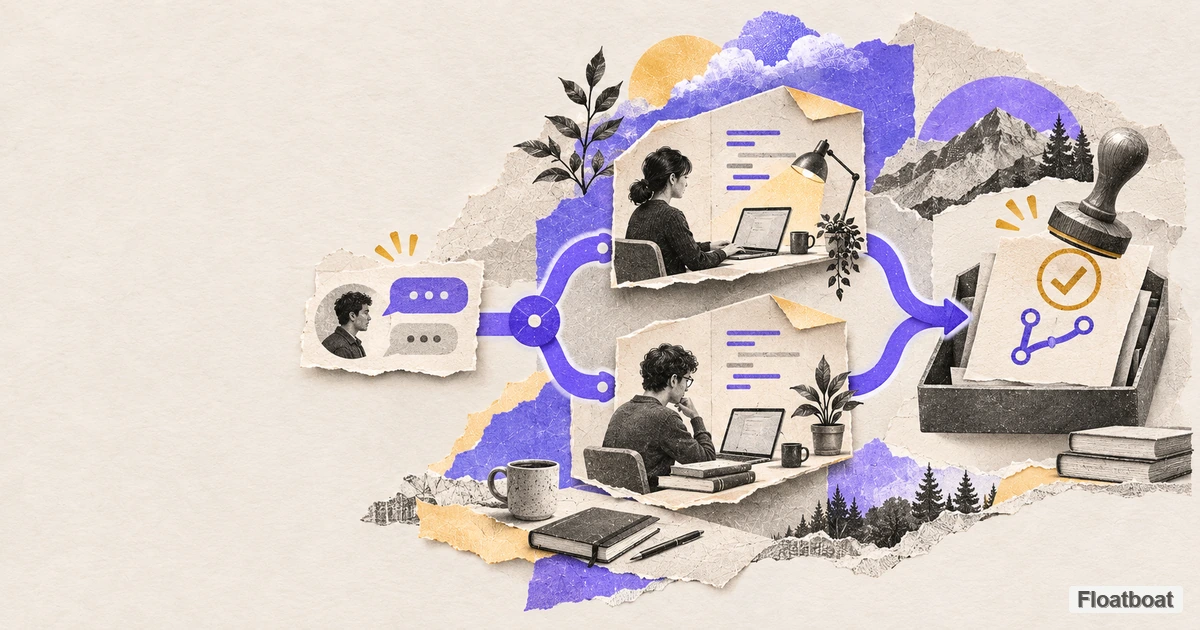
DeepSeek DSH Superagent: From GitHub Requests to Agent Workflows
Understand how DeepSeek's DSH Superagent prototype turns authorized GitHub and Feishu requests into coding tasks, and which workflow mechanisms you can adapt.
8 min
Browse the complete Floatboat library: model analysis, agent architecture, automation workflows, file tools, and practical systems for solo operators.
171 articles

OpenAI’s GPT-6 Cyber starts with a limited Daybreak Red rollout. Check eligibility, Codex and API access, and token pricing, then see how to interpret the benchmarks and scope a defensive review.
170 articles
Understand how DeepSeek's DSH Superagent prototype turns authorized GitHub and Feishu requests into coding tasks, and which workflow mechanisms you can adapt.

Gemini Agent is Google's universal work agent for persistent tasks, multi-agent coordination, model routing, and work across business tools. Here's what is confirmed, what remains in preview, and how it differs from the Gemini app.
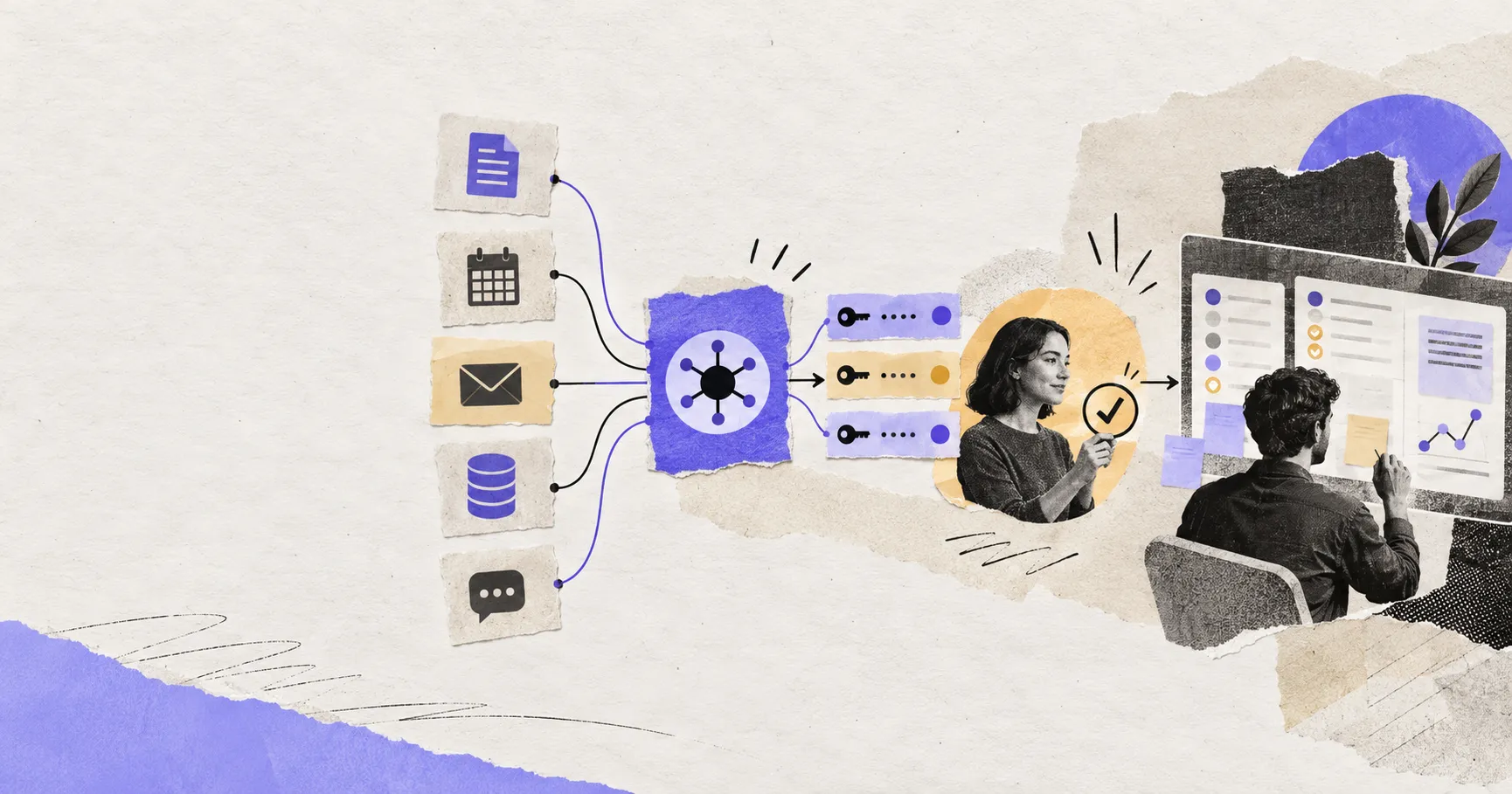
Learn how AI agent connectors use MCP, OAuth, scopes, resource permissions, and approval gates—and how to evaluate a connector before it can read or change your work.

Compare local-first and cloud agent workspaces across files, privacy, background execution, connectors, reliability, and control—then choose the right architecture.

Learn what an AI agent harness does, how its execution loop, context, tools, sandbox, approvals, tracing, and recovery fit together, and how to evaluate one.

ChatGPT Space organizes editable Pages, files, and collaboration. Learn how it differs from Projects and chat, how permissions work, and when to migrate.
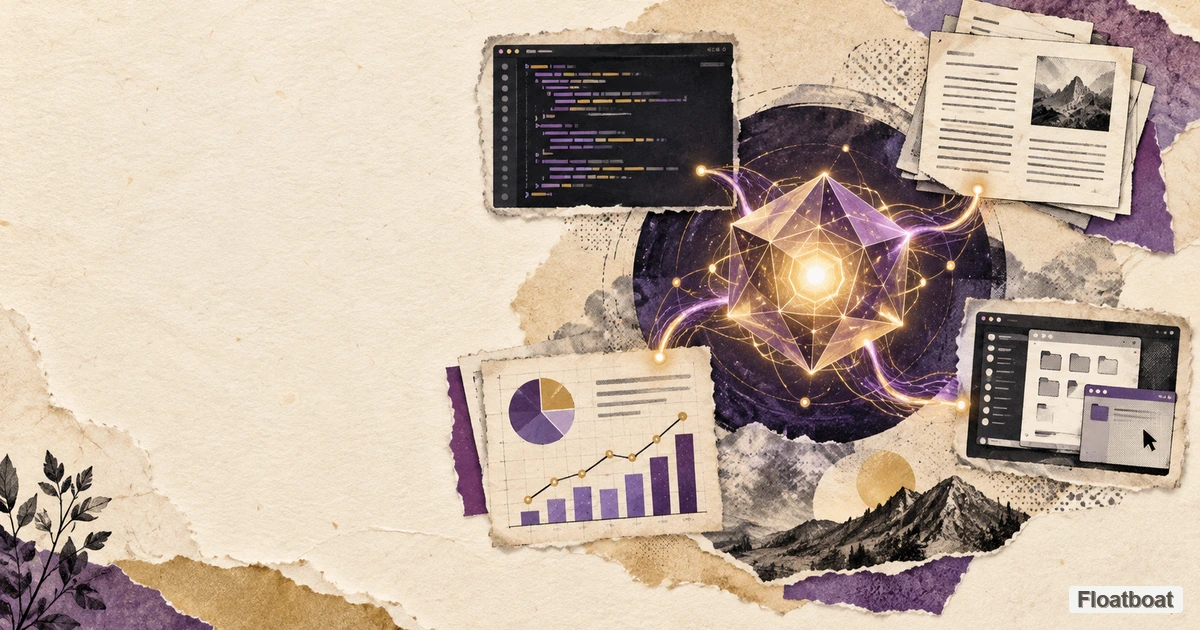
GPT-6.1 Sol brings near-Astra coding, computer use, and professional-work performance at one-fifth of Astra's token prices. Here is what the numbers do—and do not—mean.
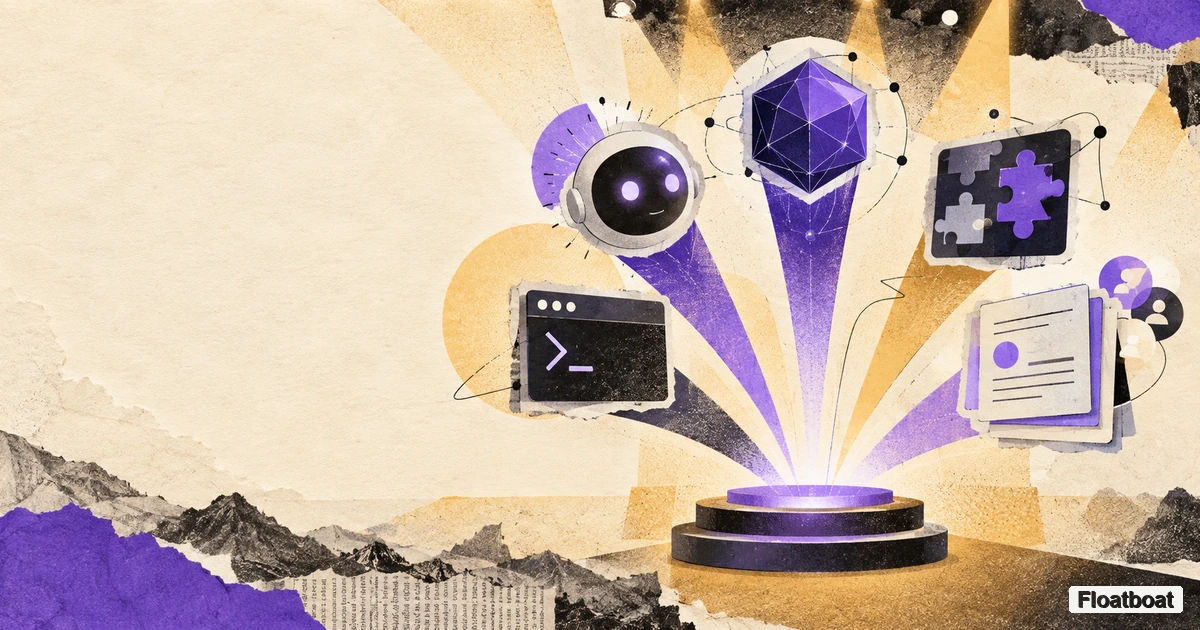
A complete map of OpenAI DevDay 2026: Dots, GPT-6.1 Sol, Codex Cloud, Agents API, Plugins, Space, Pages, Pro 500, and the platform strategy connecting them.

What OpenAI Plugins are in 2026, how skills, MCP servers, UI extensions, events, and hooks fit together, and when a smaller integration is the better choice.
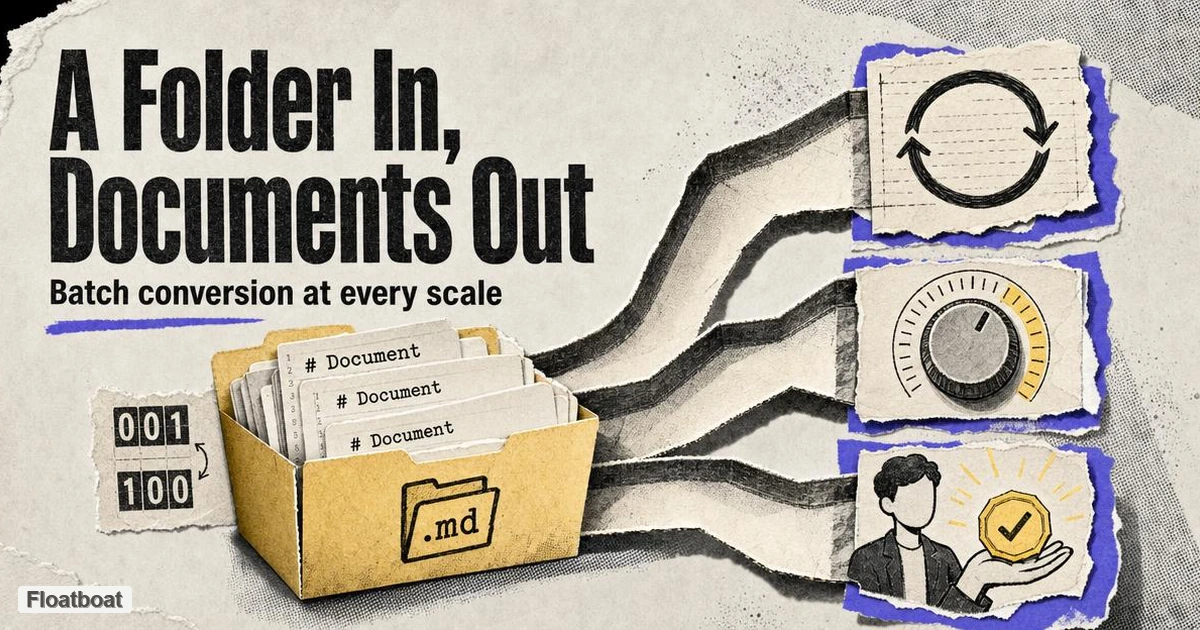
How to batch convert a folder of markdown files to PDF, Word or HTML: pandoc scripts, GUI tools, failure modes, and when folder-scale work needs an agent.
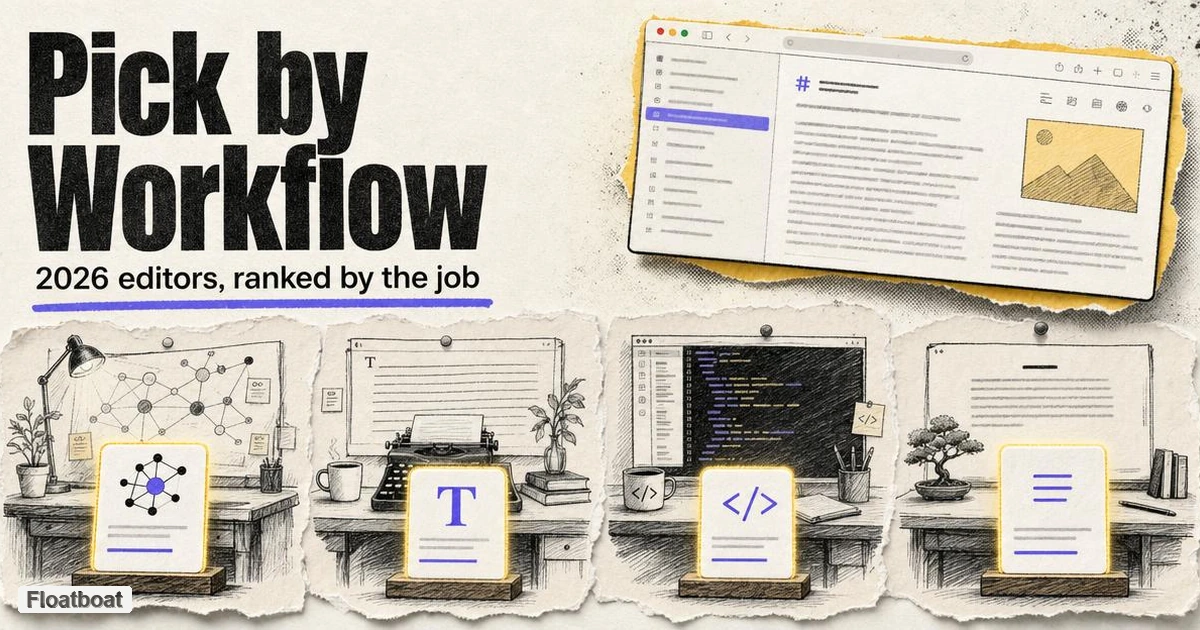
Obsidian, Typora, VS Code, Zettlr, iA Writer and more, ranked by workflow fit. What each editor trades away, and where browser tools beat installed apps.

How math in markdown works: dollar-sign LaTeX syntax, where it renders (GitHub, Obsidian, Jekyll), the KaTeX vs MathJax split, and honest workarounds.
Complex meeting prep goes to the frontier tier, routine classification to the budget tier — one consistent behavioral family.
Agents read the event, pull context, draft the brief, and send the follow-up. No prompt engineering, no app switching.
Budget-tier models make always-on classification viable. Subscribe to a tournament, watch the updates arrive — no budget anxiety.