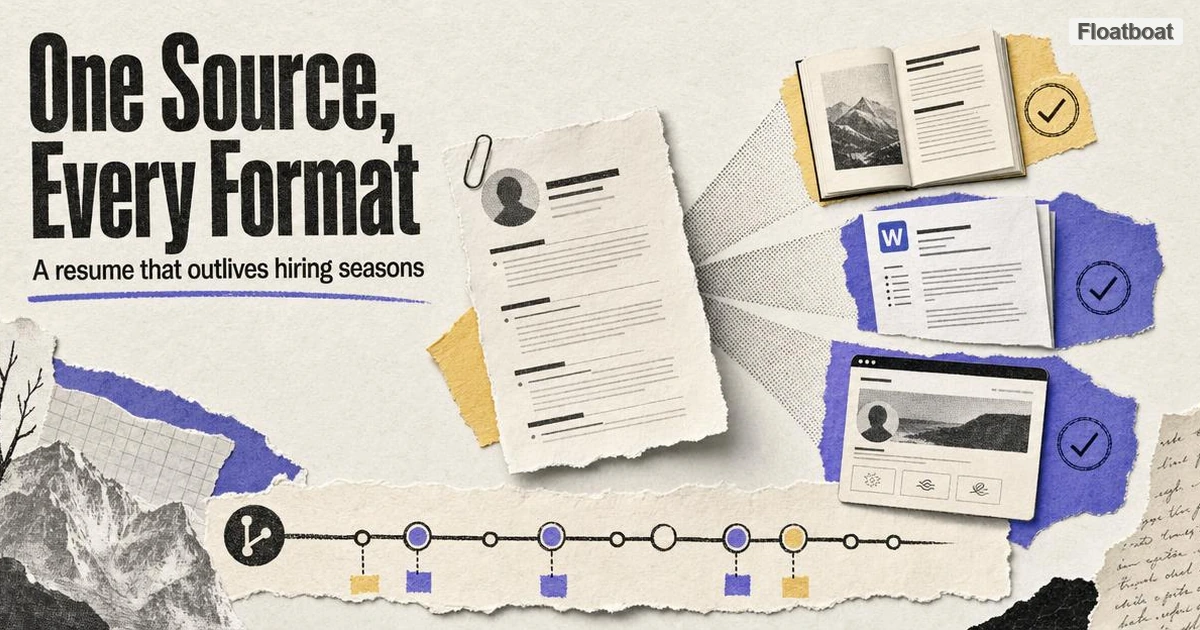
The Markdown Resume — Maintain One Source, Export Every Format
Keep your resume as one Markdown source and export print-ready PDF, Word, and web on demand — structure, git history, and what ATS parsing…
Kostja19 min read
20 articles in this category.
Keep your resume as one Markdown source and export print-ready PDF, Word, and web on demand — structure, git history, and what ATS parsing…
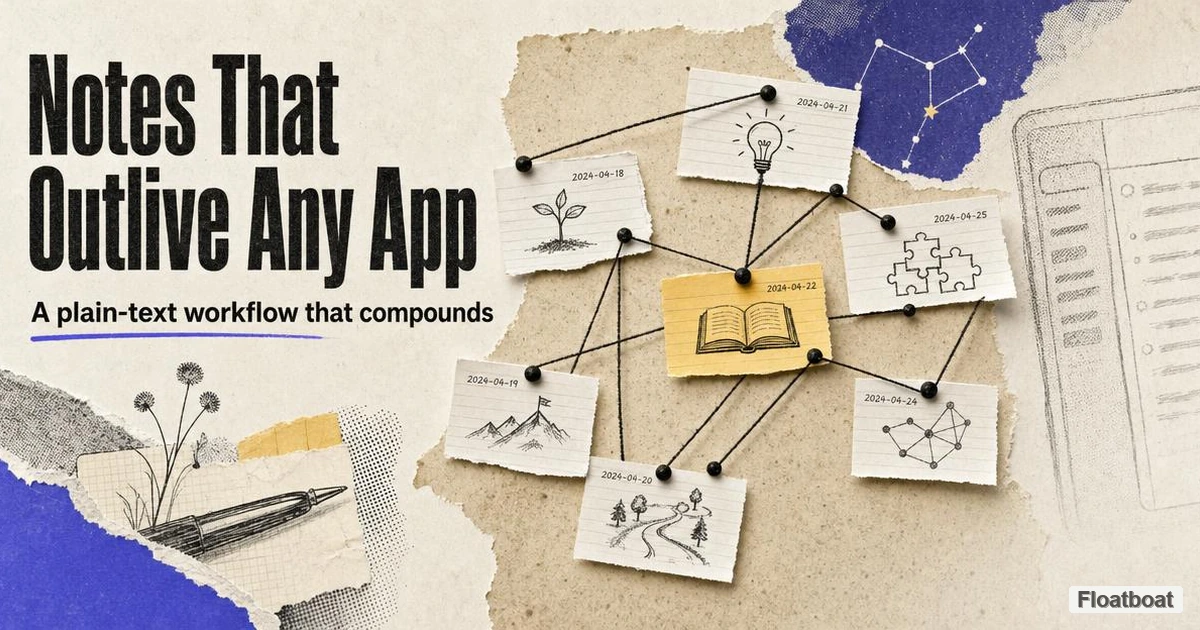
A markdown note-taking workflow built on plain files: naming, structure, links, and AI review. Why plain text outlives any app, and how to…
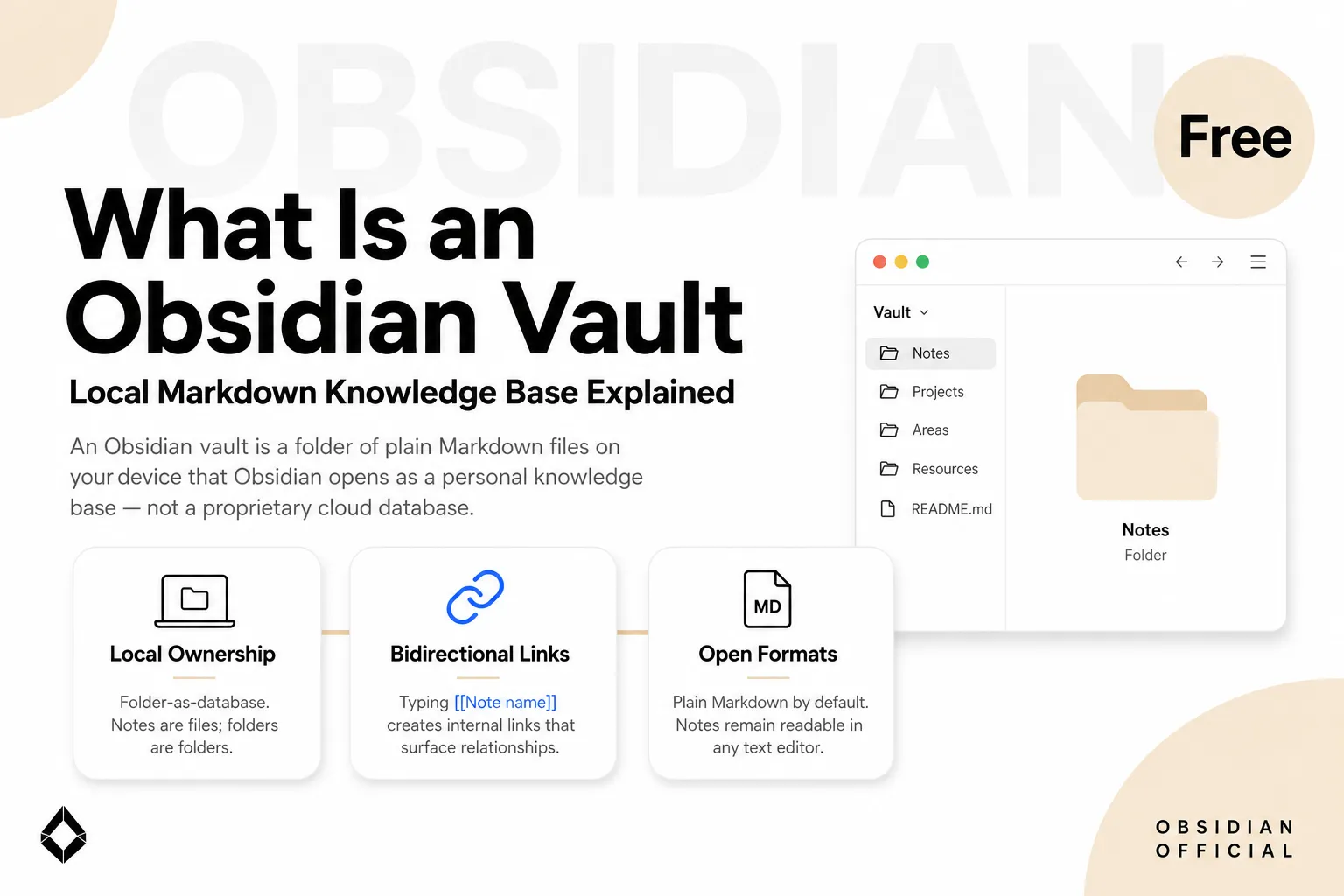
An Obsidian vault is a local folder containing Markdown notes, attachments, and vault-specific settings. Learn what lives inside it, what…
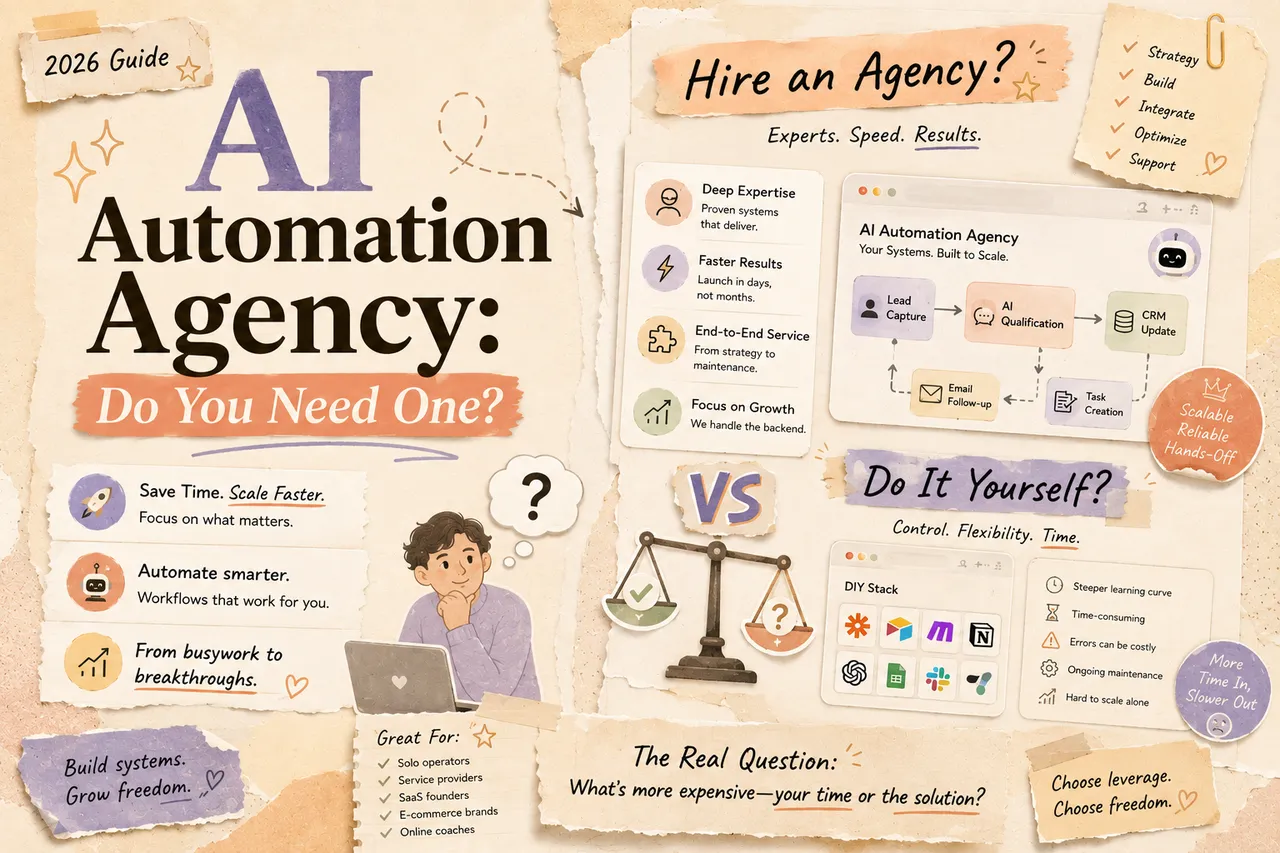
AI automation agency support can help, but solo operators should compare scope, ownership, maintenance, and tool alternatives first.
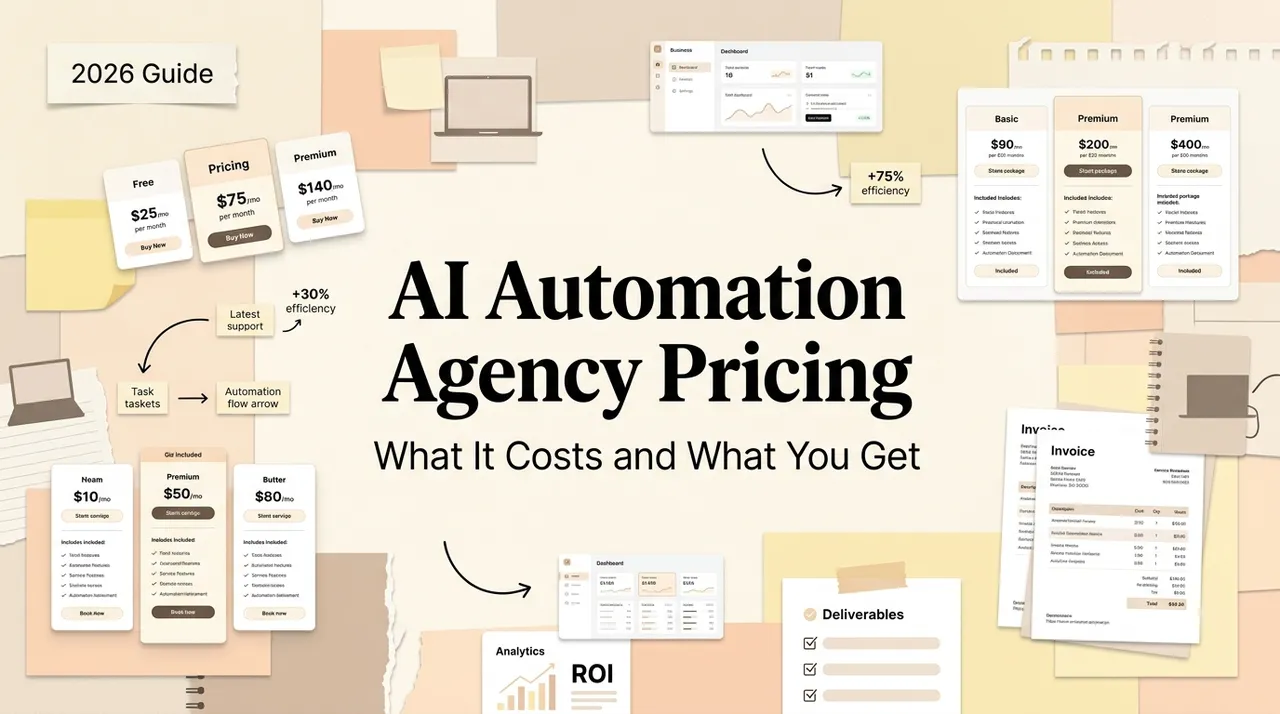
Understand AI automation agency pricing through scope, complexity, usage, risk, maintenance, quote comparison, and contract terms—not…
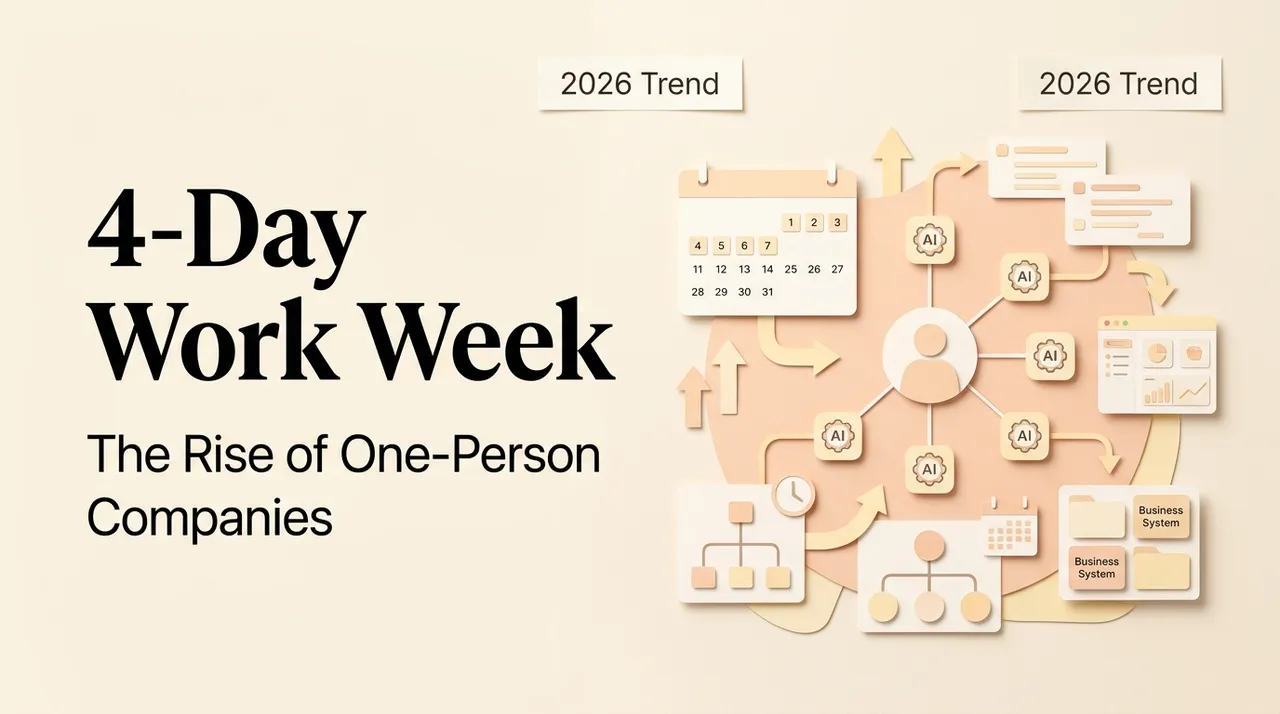
OpenAI proposed paid 32-hour pilots as an AI efficiency dividend. Here is what that policy idea does—and does not—mean for a one-person…
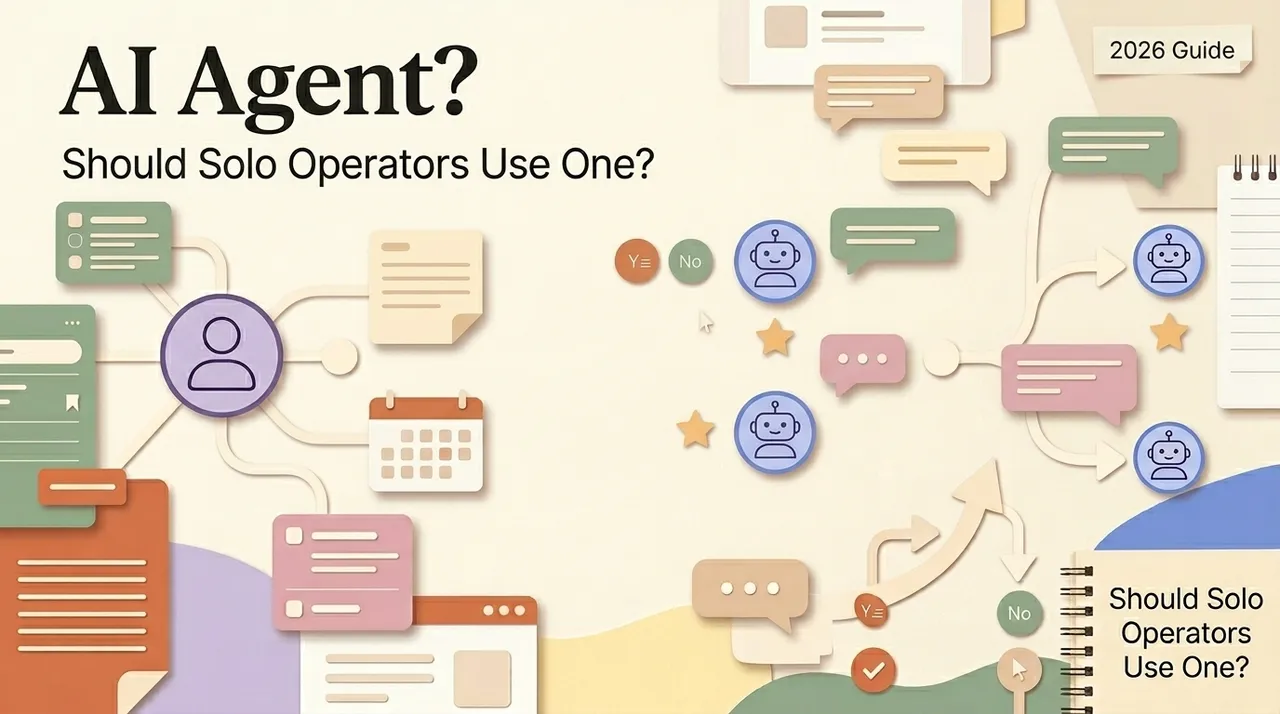
Choose an AI agent by comparing workspace agents, managed agents, SaaS builders, workflow automation, and self-hosting with one repeatable…
Scale a one-person business by diagnosing the constraint, then testing offer, pricing, deletion, automation, or contractor capacity before…
A practical implementation guide for solo founders: audit repeated work, choose one pilot, write acceptance tests, build safely, measure…
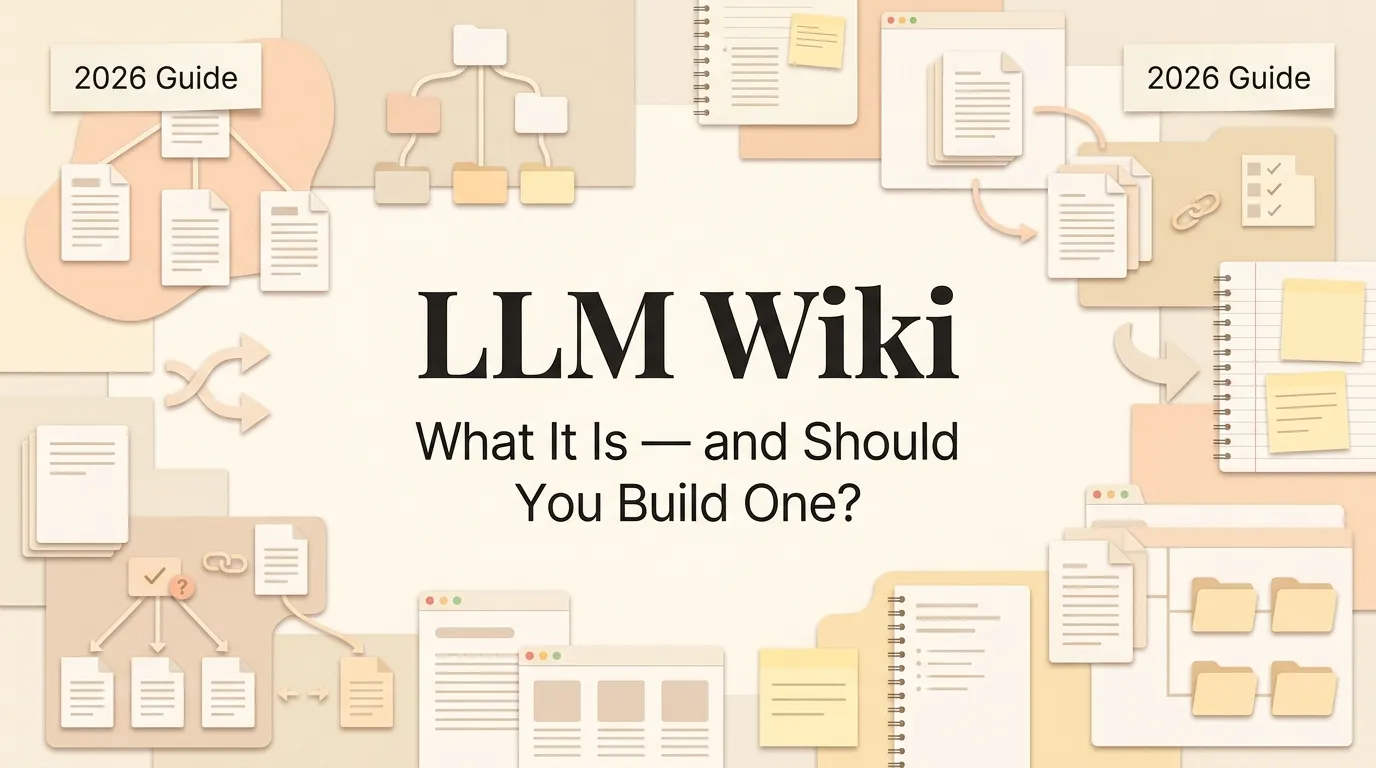
The Karpathy LLM wiki went viral for a reason. Here's what it actually is, who it's built for, and whether a solo operator needs one.
Create a bounded paid offer, choose a pricing basis, calculate a defensible floor, and test the first solopreneur price without pretending…
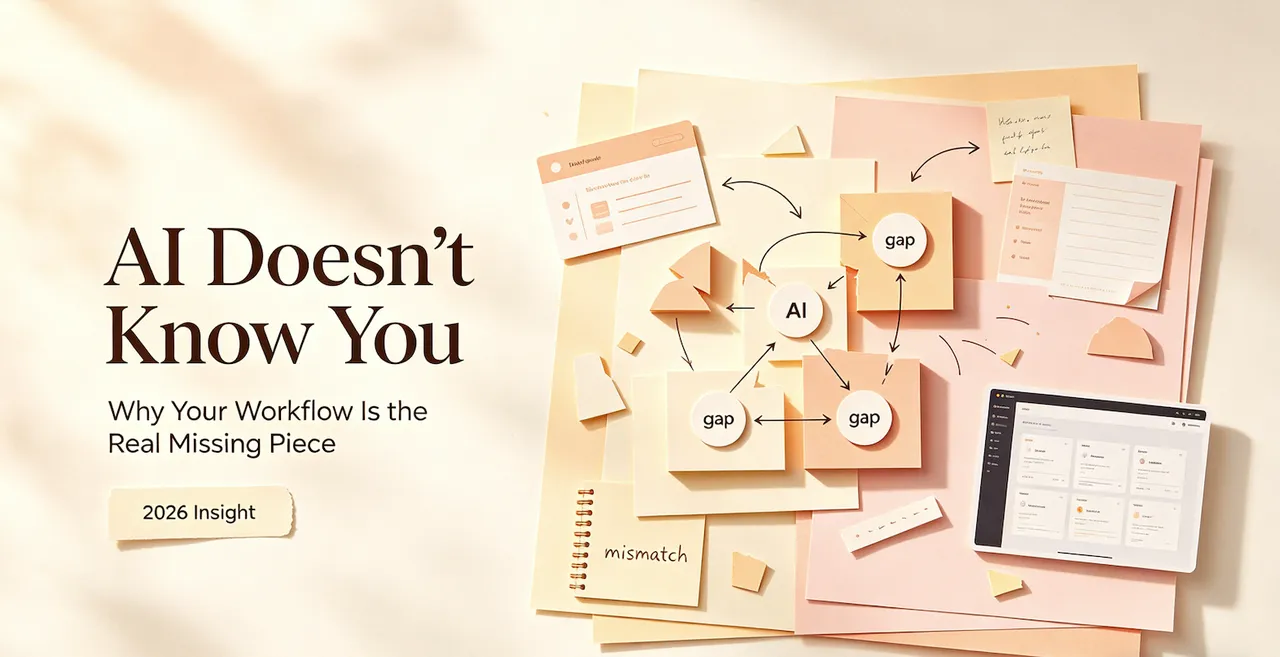
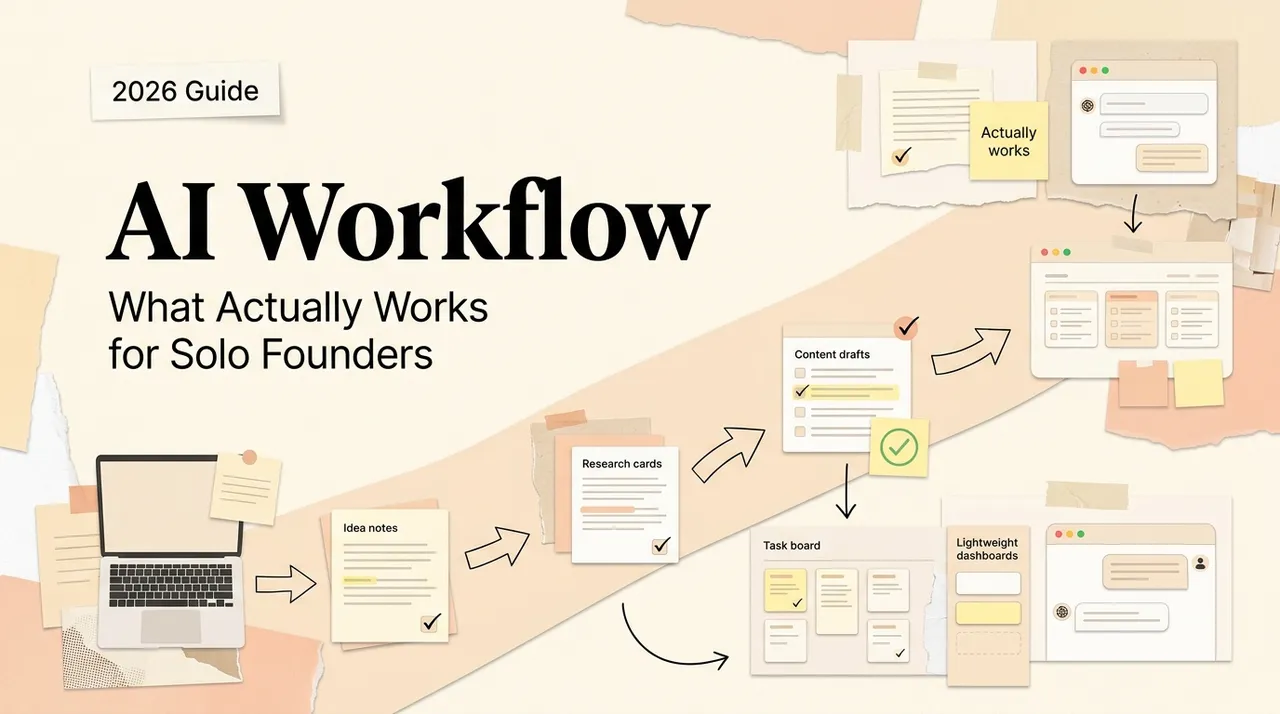
Design an AI workflow for a solo business by mapping work, context, tools, permissions, handoffs, review, records, and failure recovery…
A stage-by-stage guide to a solo founder's first 100 customers: define the customer, gather paid evidence, standardize what repeats, and…
A primary-source timeline of AI agents in 2026, with task-fit, risk and tool-selection guidance plus a four-stage pilot for solo operators.
Claude Code is built for developers—but if you run a one-person business, here's what it actually means for you and whether you need it.
An LLM knowledge base sounds powerful — but is building one the right move for solo operators? Here's an honest breakdown of the trade-offs.
What solo founders can borrow from gstack: explicit workflow stages, review gates, inspectable artifacts, and stop conditions—not role-play…
A practical Feishu CLI guide for solo operators: official commands, authentication, least-privilege scopes, useful workflows, maintenance…
Lark CLI automates Feishu workflows from the command line—but for solo operators, it's not always worth building. Here's how to decide.
Use role contracts, inspectable handoffs, evidence checks, and review gates to give a one-person business team-like operating discipline…
/blog/category/solo-operators