
How to Get Your First 100 Customers as a Solo Founder
A stage-by-stage guide to a solo founder's first 100 customers: define the customer, gather paid evidence, standardize what repeats, and track cohorts.

Getting the first 100 customers as a solo founder is an evidence-gathering process, not a race to automate outreach. The goal is to discover which problem, buyer, promise, channel, and onboarding path repeatedly produce a paid and supportable relationship.
Information checked October 13, 2026.
Define what counts as a customer
Decide whether the target means paying accounts, completed transactions, active subscribers, or retained customers after a fixed period. Do not mix free sign-ups with customers or count the same organization twice. Set a date and maintain a simple cohort table.
Paul Graham’s Do Things That Don’t Scale argues that early founders often need to recruit users manually. The useful principle is not that every founder must use communities; it is that direct contact creates evidence before a scalable channel exists.
The path from 0 to 10
Choose one narrow buyer and one painful job. Contact people through legitimate warm introductions, relevant communities that permit participation, targeted outbound, partnerships, or an existing audience. Ask about the current process and consequences before presenting the offer.
Charge when you can define a result and boundaries, even if the first offer is explicitly a paid pilot. Free discovery can be appropriate, but free delivery tests usage without testing willingness to pay. The solopreneur pricing guide covers initial scope and price design.

The path from 10 to 30
Review why each customer bought, what blocked onboarding, time to first value, support questions, retained usage, and why prospects declined. Rewrite the offer using the language customers use, not assumed benefits. Ask satisfied customers for a specific introduction only after a result exists.
Avoid automating messages from a script that has not earned replies. Volume can hide a weak offer and create reputation or platform-policy risk.
The path from 30 to 100
Standardize only what has repeated: qualification, proposal structure, onboarding inputs, common education, and feedback capture. Keep an exception queue so unusual customers do not silently redefine the product. Test one acquisition channel at a time with a time and budget cap.
If delivery becomes the constraint, use the capacity framework in scaling a one-person business without hiring before adding more demand.
A weekly customer evidence review
Track new qualified conversations, offers made, paid conversions, time to first value, activation or delivery completion, retention at a relevant interval, support time, refunds, and loss reasons. Segment by buyer and channel. Small cohorts are noisy, so record observations without declaring universal rules.
Original visual references
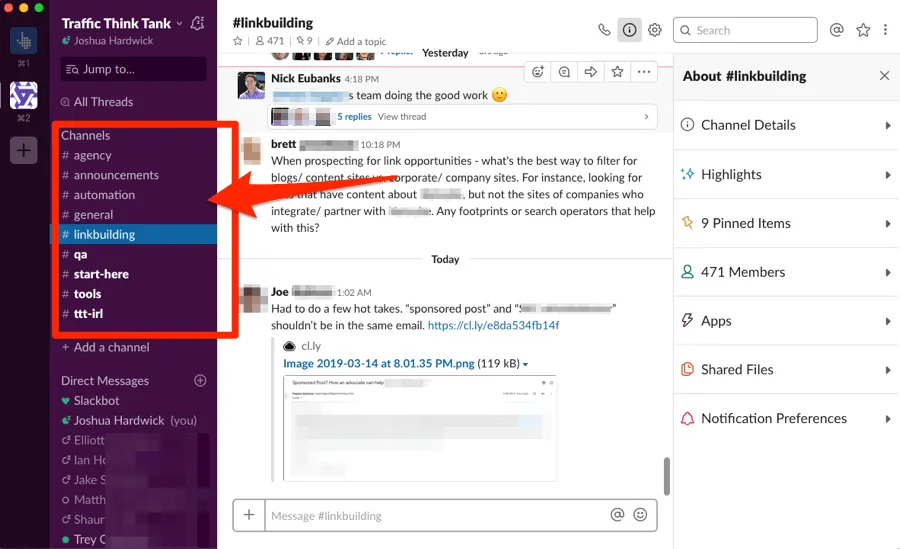
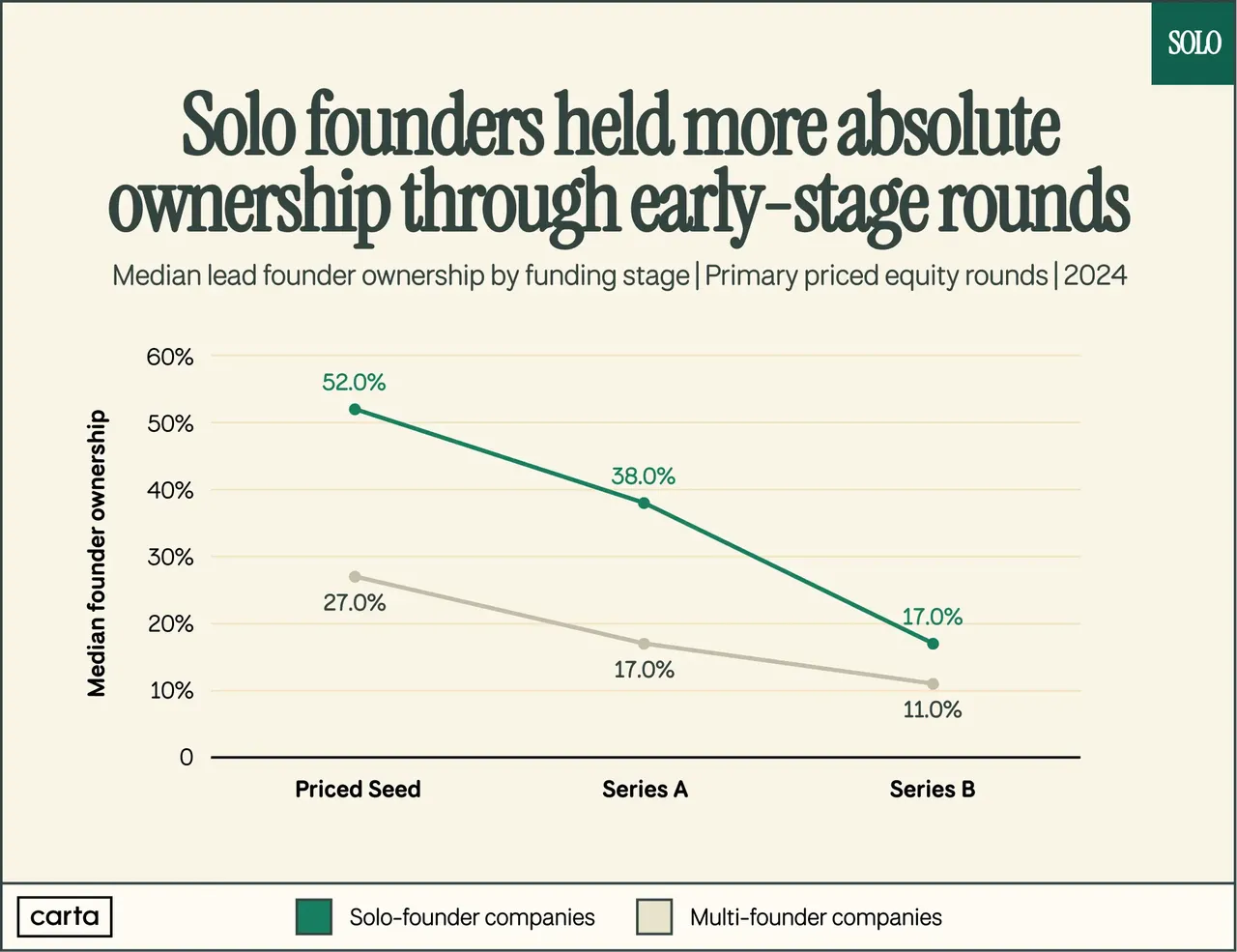
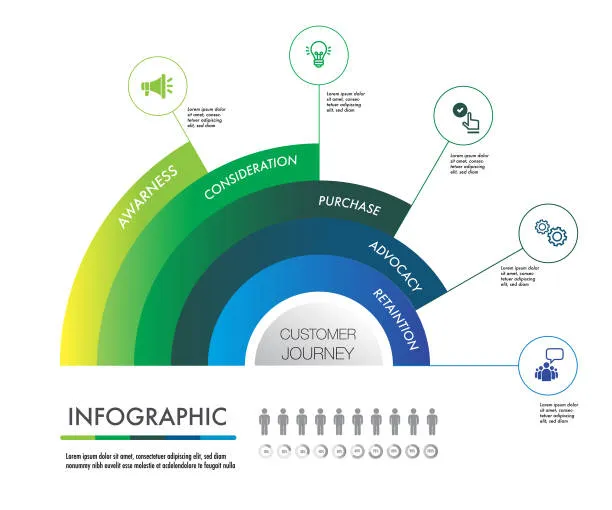
These images are restored from the article's original publication to preserve interface, workflow, and comparison context. Any product UI, pricing, benchmark result, or model availability shown is a historical capture; verify current official information before making a decision.
What 100 customers should leave behind
The milestone is useful only if it produces a clearer ideal customer, repeatable promise, defensible price, workable onboarding, evidence-backed channel, and known support load. If those remain unclear, the number is vanity. The first 100 should reduce uncertainty enough to decide what to standardize, what to keep manual, and what not to sell.
Related posts
The Markdown Resume — Maintain One Source, Export Every Format
Keep your resume as one Markdown source and export print-ready PDF, Word, and web on demand — structure, git history, and what ATS parsing…
Markdown for Note-Taking — A Workflow That Outlives Any App
A markdown note-taking workflow built on plain files: naming, structure, links, and AI review. Why plain text outlives any app, and how to…
What Is an Obsidian Vault? Files, Settings, and Boundaries
An Obsidian vault is a local folder containing Markdown notes, attachments, and vault-specific settings. Learn what lives inside it, what…
https://floatboat.ai/blog/first-100-customers-solo-founder