
Local-First vs Cloud Agent Workspaces: Which Fits?
Compare local-first and cloud agent workspaces across files, privacy, background execution, connectors, reliability, and control—then…
Kostja9 min read
44 articles in this category.
Compare local-first and cloud agent workspaces across files, privacy, background execution, connectors, reliability, and control—then…
Obsidian, Typora, VS Code, Zettlr, iA Writer and more, ranked by workflow fit. What each editor trades away, and where browser tools beat…
How math in markdown works: dollar-sign LaTeX syntax, where it renders (GitHub, Obsidian, Jekyll), the KaTeX vs MathJax split, and honest…
Turn markdown into slide decks: how the text-to-slides workflow works with Marp and Pandoc, what it trades away, and when a plain outline…
Copy-paste Mermaid examples for every major diagram type — flowchart, gantt, timeline, pie, and ER — with the core syntax, where each…
How markdown documentation sites work: the docs-as-code workflow, what Docusaurus, MkDocs and VitePress each trade away, and when plain…
Convert Markdown to PDF via a free no-install browser tool, pandoc on the command line, or editor plugins — with fixes for broken tables,…
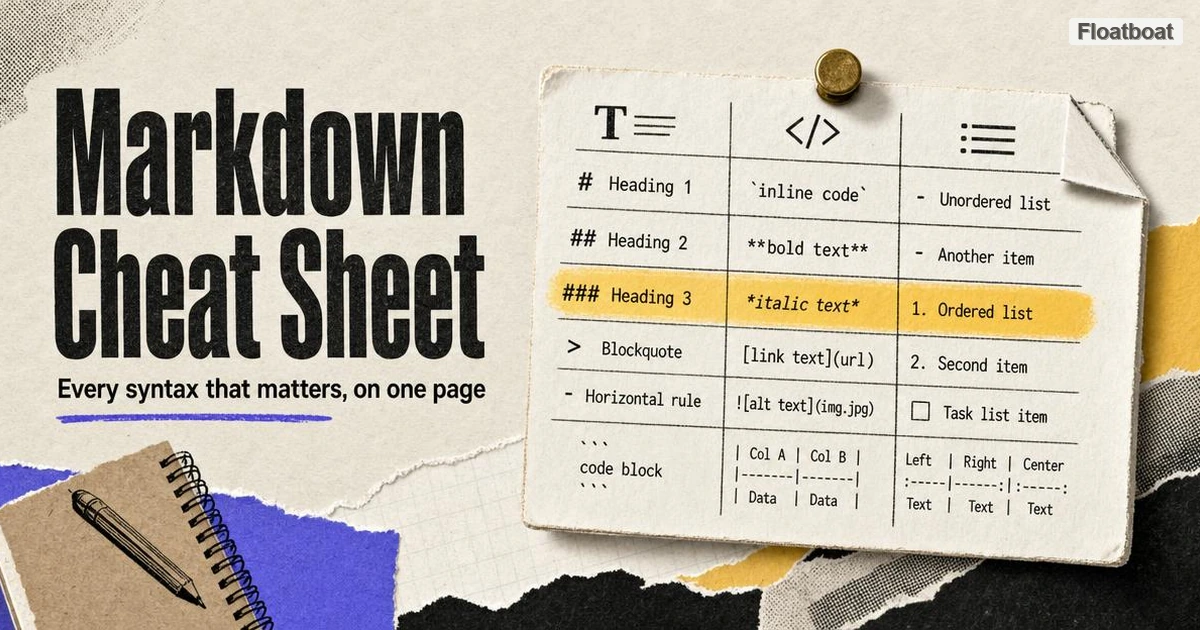
A copy-paste Markdown cheat sheet: core syntax, GFM tables and task lists, and the escaping mistakes that break rendering in GitHub,…
An online Markdown viewer renders any .md file in your browser with nothing to install — what good viewers support, and which ones keep…
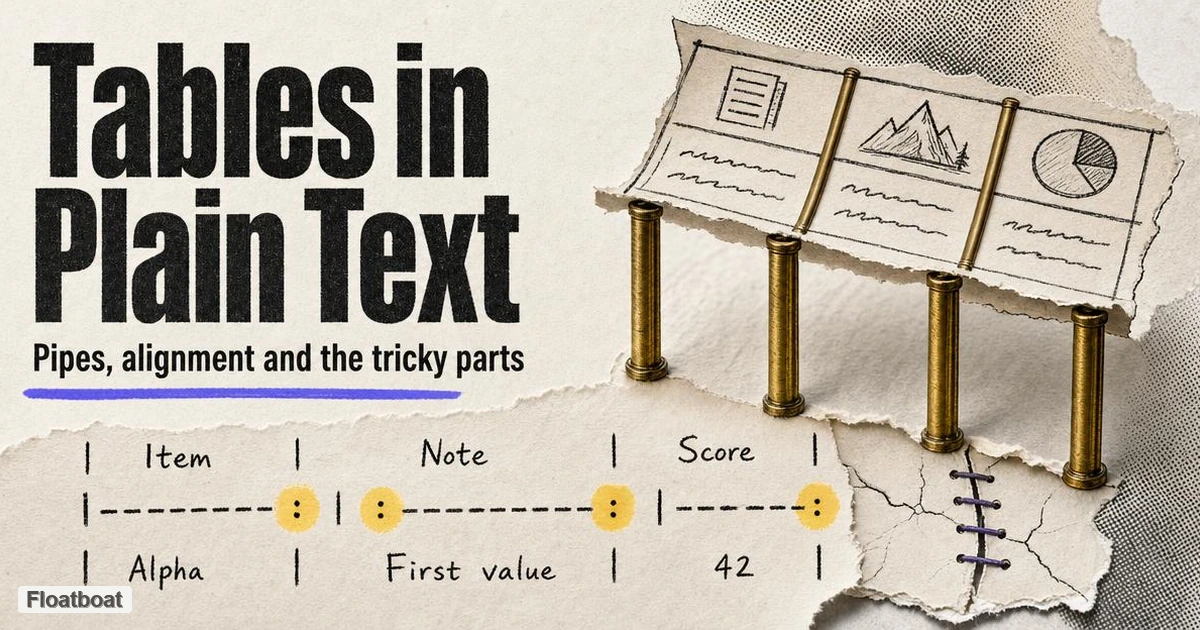
The full guide to markdown tables: three-row structure, alignment colons, escaping pipes, line breaks inside cells, and why your table…
Compare Manus AI alternatives by research, browser action, recurring automation, coding, governance, and total task cost—not a generic…
Compare Cursor, Codex, Cline, Aider, GitHub Copilot, and Devin by where they run, how they edit code, and how much supervision they need.
Compare Microsoft 365 Copilot, Gemini for Workspace, ChatGPT Work, Manus, and Floatboat by files, app access, approvals, and finished…
Compare Agentforce in Slack, Microsoft Copilot agents in Teams, Glean, Moveworks, and FloatIM by shared context, permissions, actions, and…
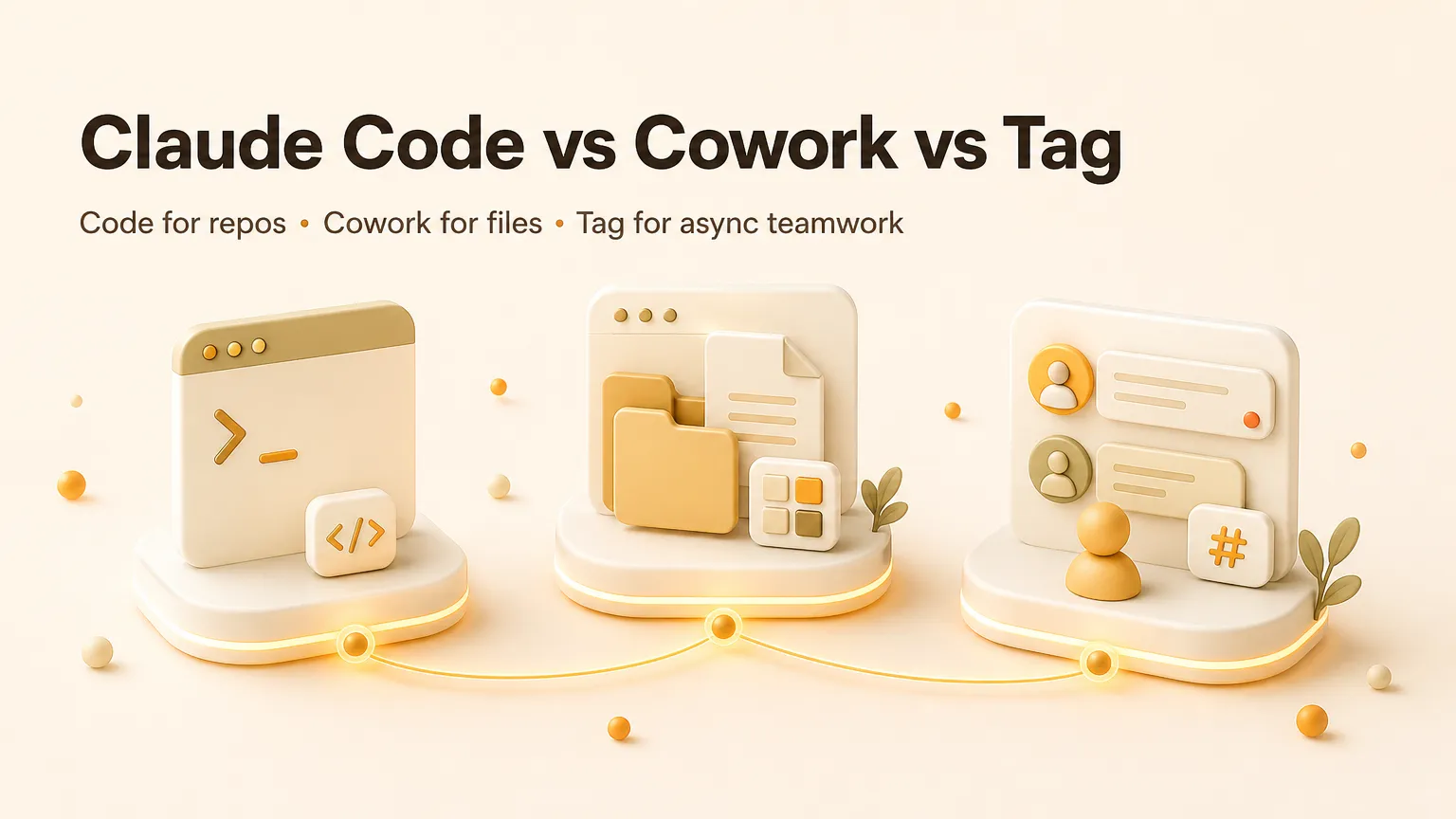
Compare Claude Code, Claude Cowork, and Claude Tag by workspace, users, permissions, outputs, and task duration—and account for Cowork's…
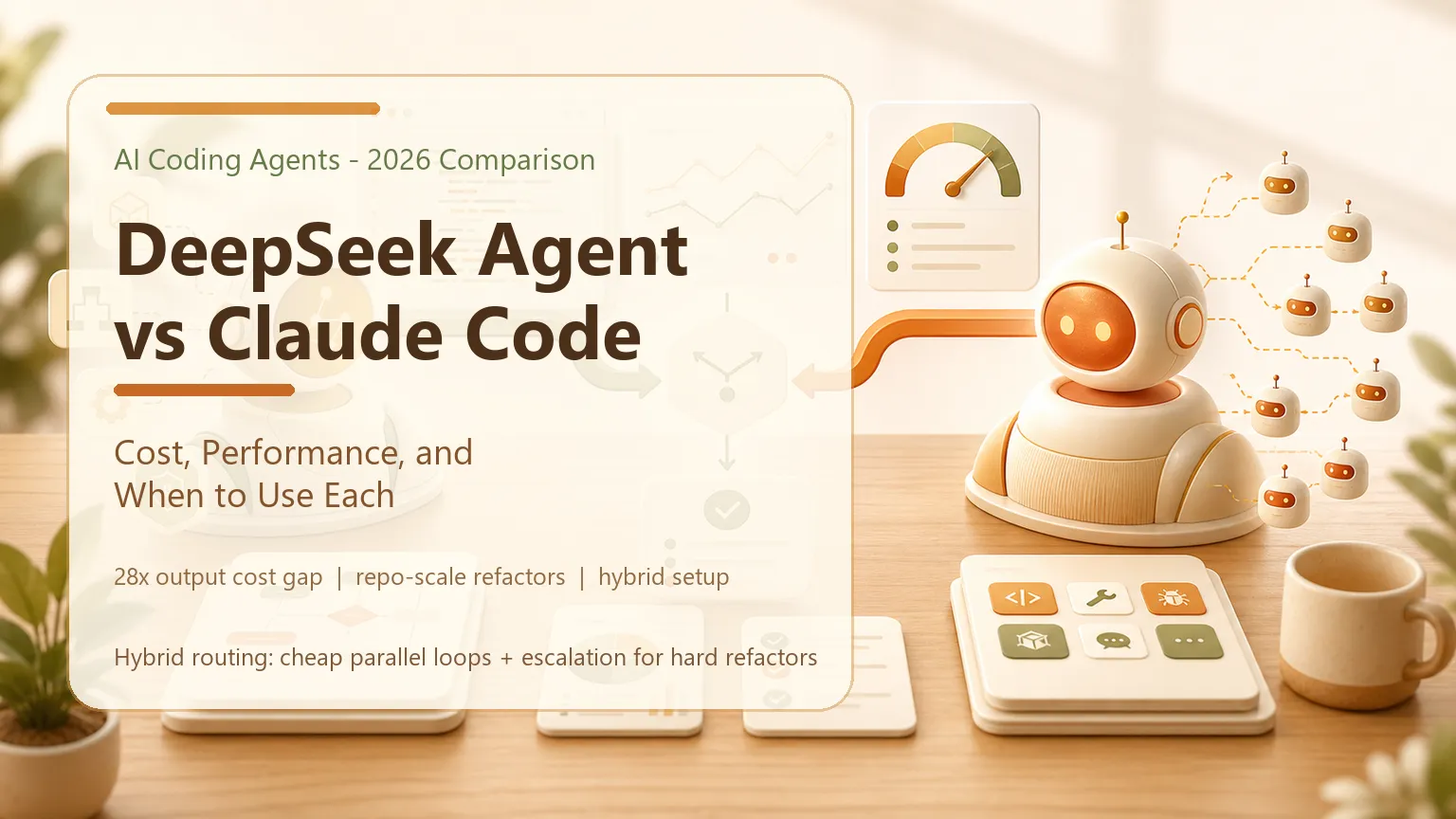
DeepSeek Agent vs Claude Code is not a model-to-model comparison. Compare the Claude Code harness, DeepSeek model routing, current prices,…
ChatGPT voice mode vs dictation: GPT-Live two-way talk vs editable composer text. Choose the right voice workflow for agent prompts and…
A documented shortlist of voice-dictation candidates for AI agents, filtered by application coverage, vocabulary, data path, and correction…
Choose the best calendar app for a solo business with one repeatable test covering devices, accounts, tasks, booking, sharing, privacy,…
Compare Google Calendar and Outlook on sharing, delegation, meetings, tasks, AI, administration, privacy, coexistence, and migration…
Compare Google Calendar and Apple Calendar on ecosystems, sharing, cross-platform access, offline use, privacy, AI, automation, and…
An evidence-based HTML Anything review covering setup, supported coding agents, templates, exports, real costs, security boundaries,…
HTML vs Markdown for AI output depends on the job: a four-question decision framework plus the token, editing, and rendering trade-offs…
Compare AI agent builders across task fit, control, permissions, evaluation, observability and recovery, total cost, and exit options using…
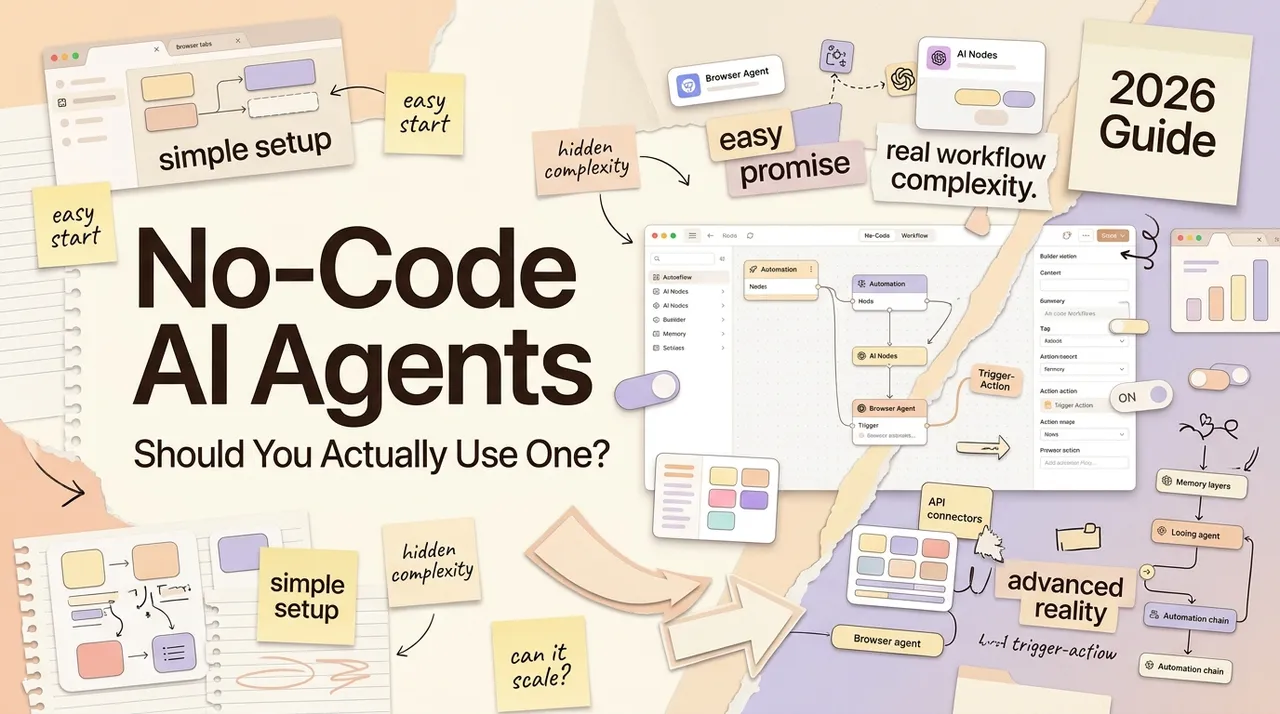
Compare no-code AI agent builders by tools, control, observability, cost, and portability. Learn what to prototype, how to test it, and…
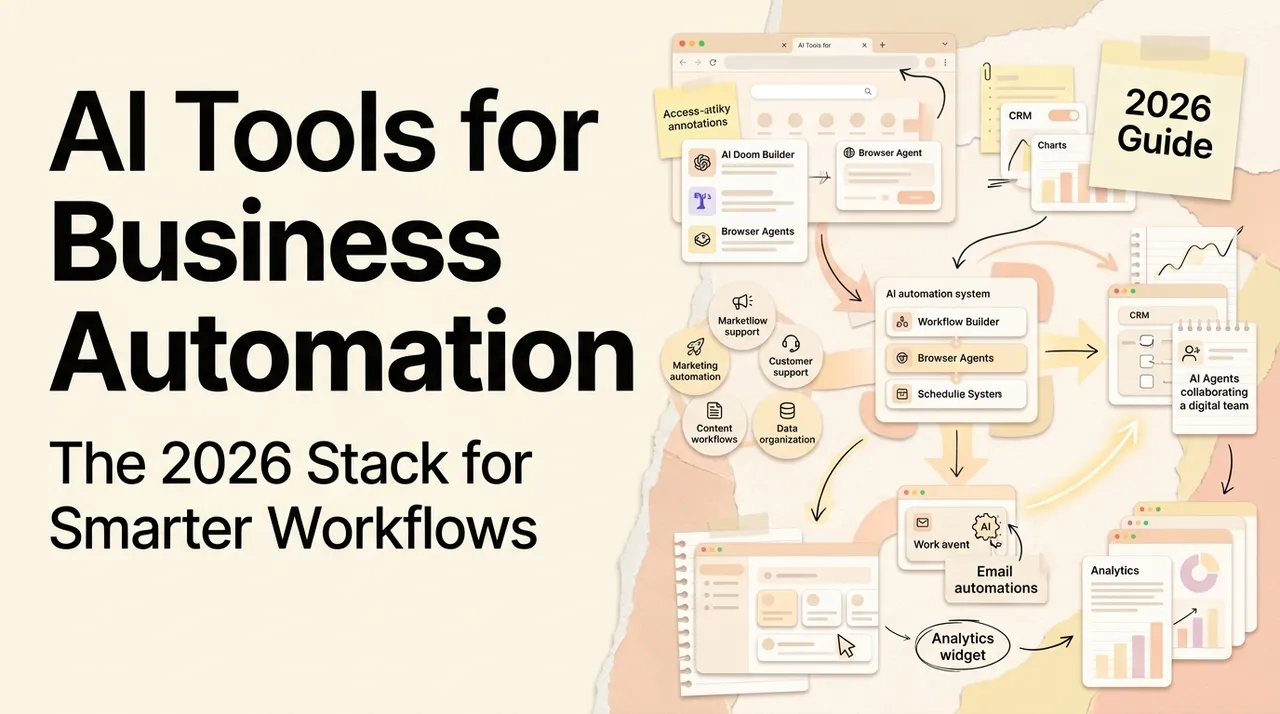
AI tools for business automation in 2026 should reduce repeated work, handoffs, and context switching without adding tool sprawl.
Choose the best AI agent platform for your task with a reproducible shortlist covering control, deployment, governance, evaluations, cost,…
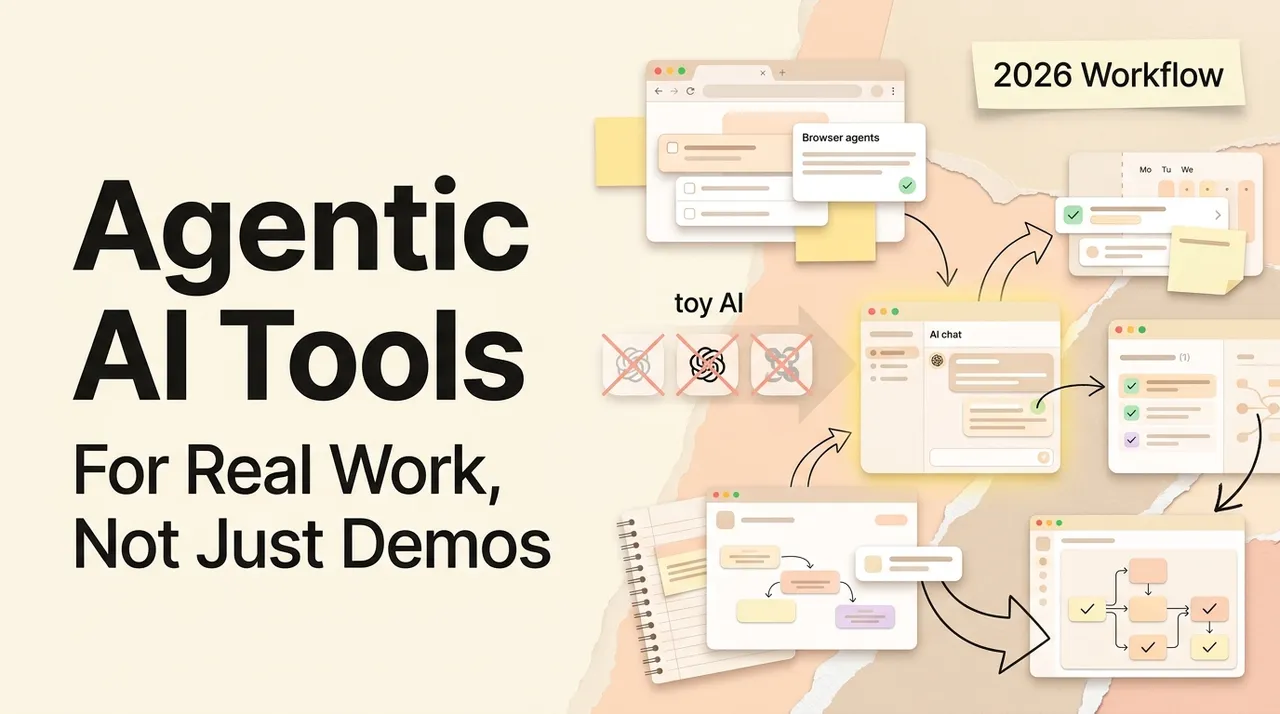
Agentic AI tools help with multi-step work, but choosing one requires checking oversight, context, permissions, and failure handling.
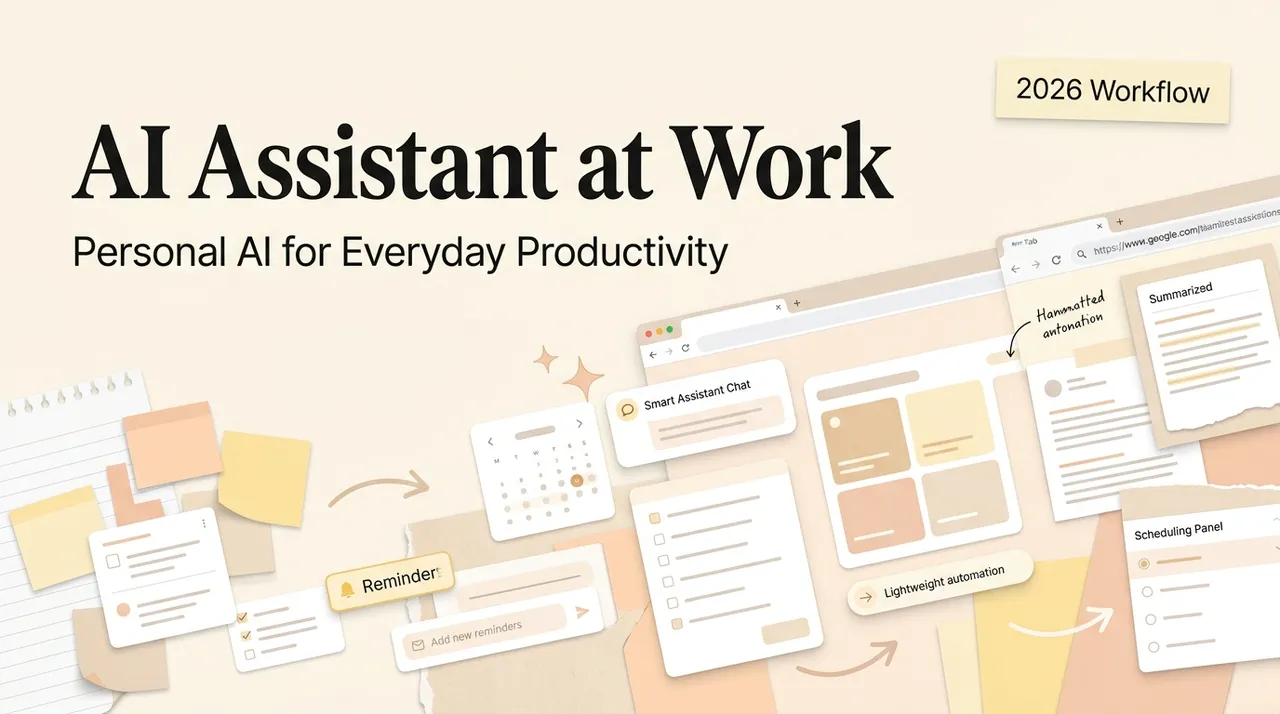
Choose an AI assistant for personal use at work by employer policy, account ownership, data sensitivity, connected-app permissions,…
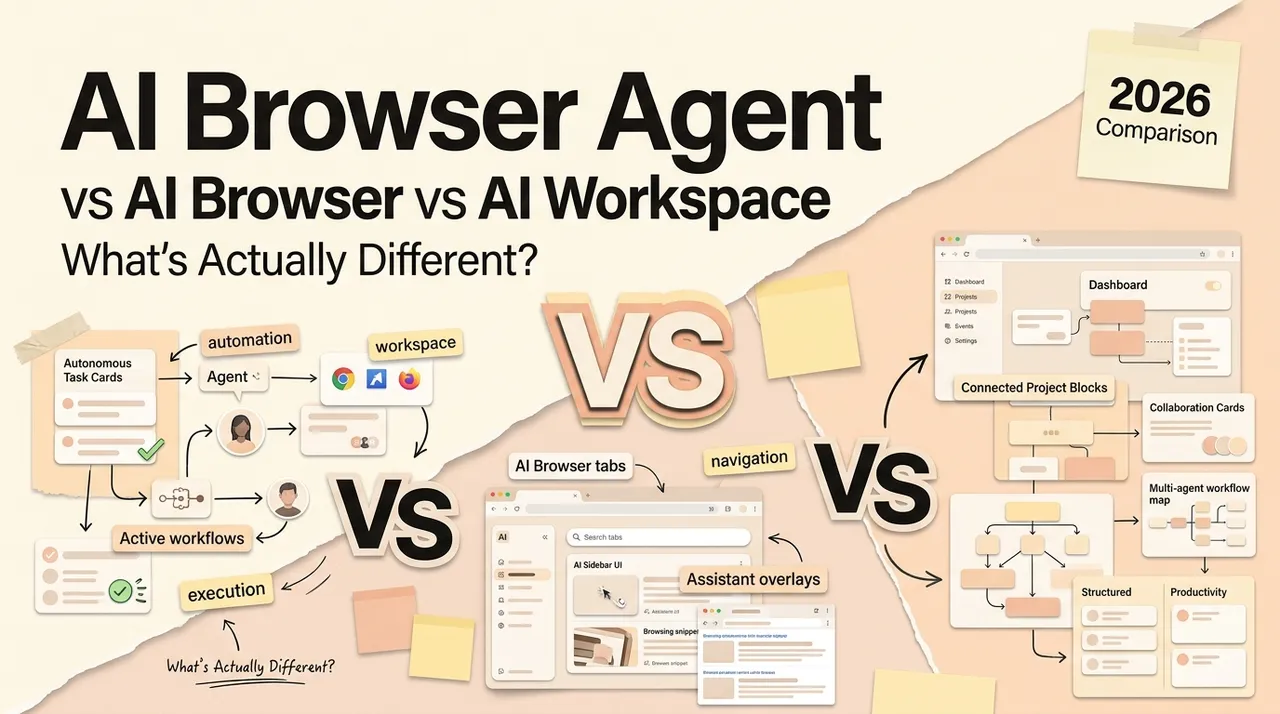
Compare browser agents, AI browsers, and AI workspaces by context, permissions, execution location, recovery, task fit, risk, and a…
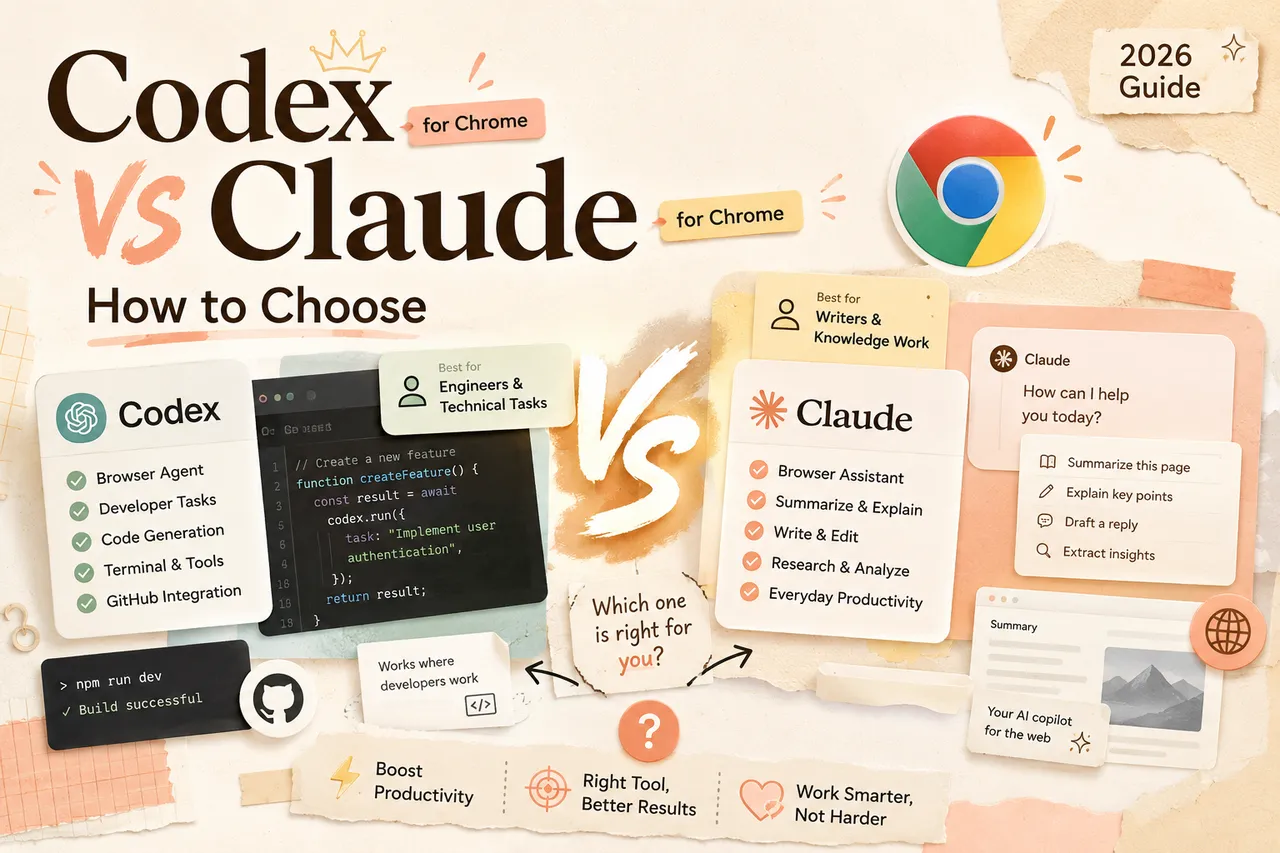
Compare Codex for Chrome vs Claude for Chrome on signed-in workflows, permissions, multi-tab work, and which solo operators should pick in…
Genspark pricing broken down: what each plan includes, where the limits are, and whether the free tier is actually useful.
Compare oh-my-codex and Superpowers by scope, supported runtimes, workflow enforcement, state, parallel work, installation risk, and…
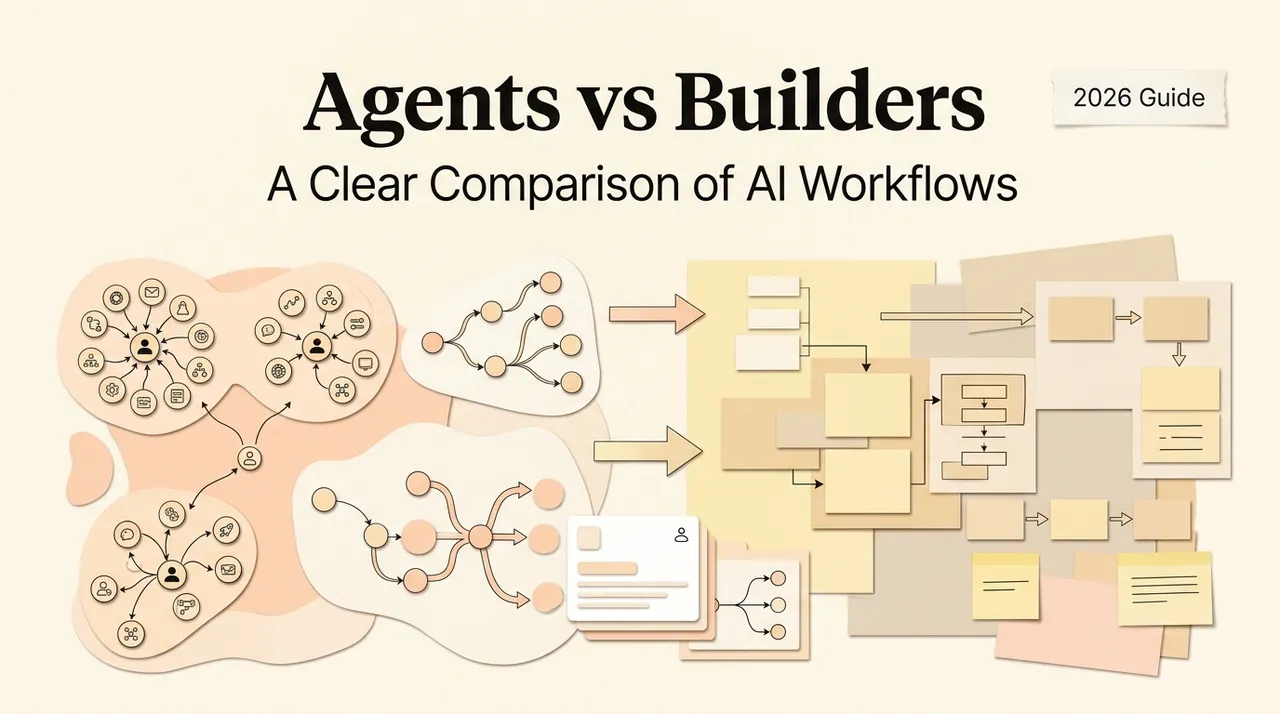
Workspace agents work alongside you; workflow builders run defined pipelines. Here's how the two differ and which fits your work better.
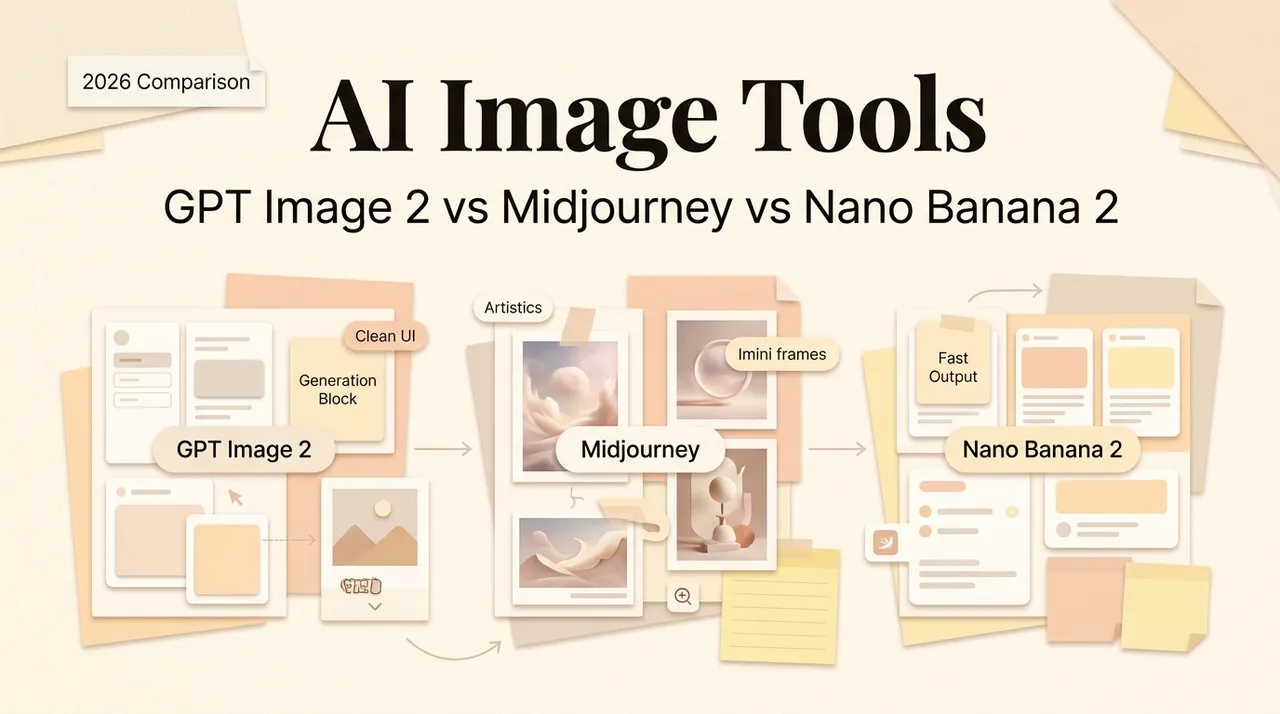
Compare GPT Image 2, Midjourney, and Nano Banana 2 with a controlled creator test covering editing, text, references, cost, privacy, and…
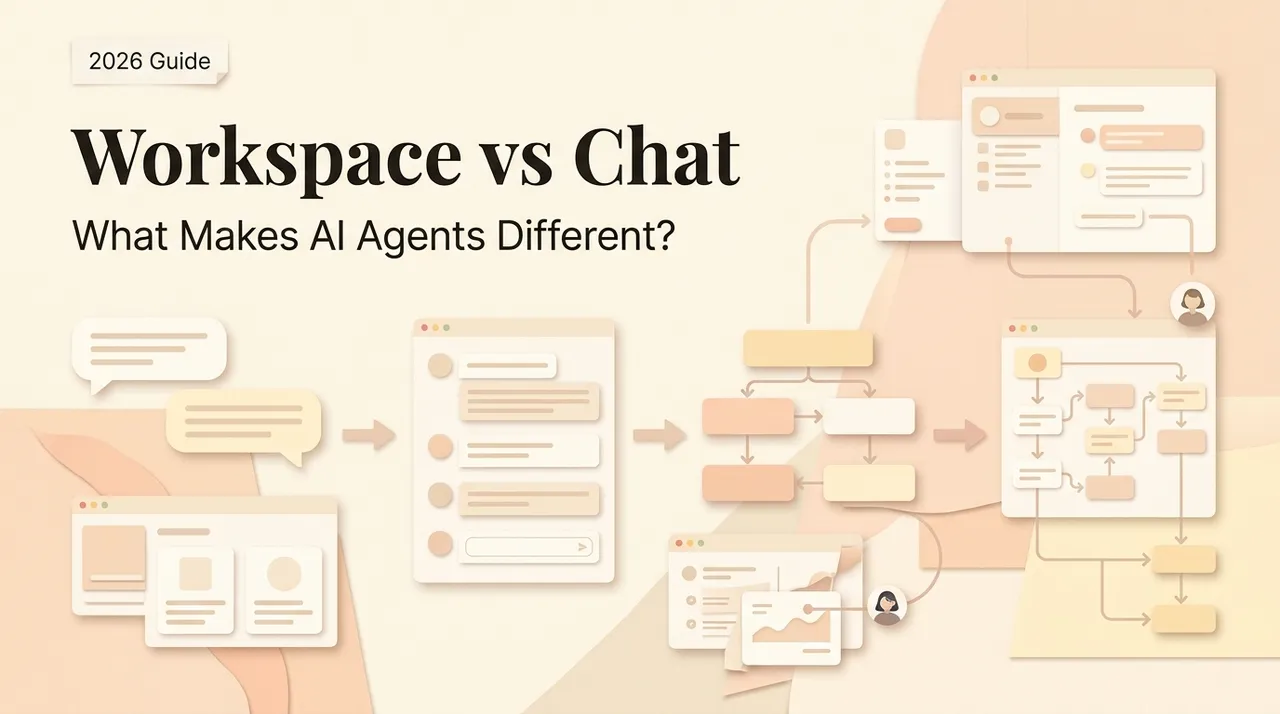
Compare workspace agents and chat assistants by system boundary, context, state, tools, execution time, deliverables, supervision,…
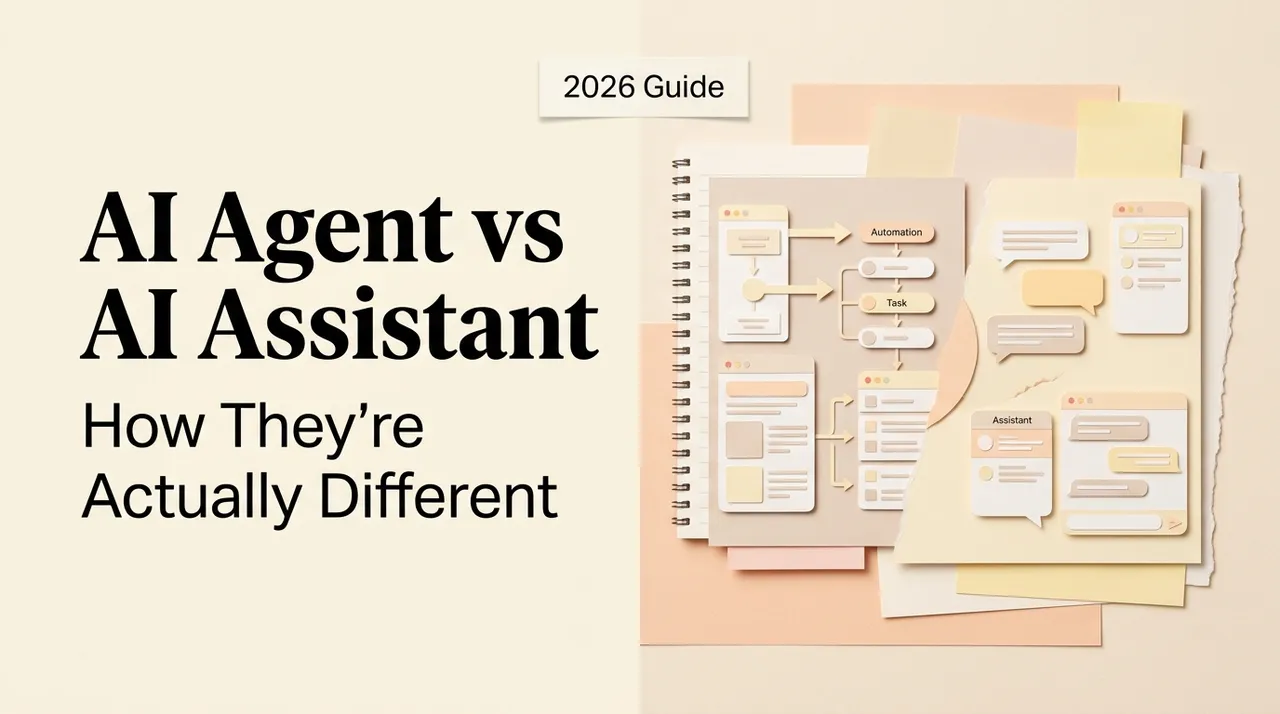
Compare AI agents and AI assistants by who chooses the next step, how tools and permissions work, what state persists, where humans…
Compare Relevance AI and n8n by agent design, workflow control, pricing units, hosting, governance, maintenance, and a repeatable pilot—not…
Compare Genspark and Manus by research quality, artifacts, permissions, repeatability, and workload cost, with a practical seven-task trial.
Compare Gumloop alternatives n8n, Make, Relay.app, and Lindy by workflow fit, permissions, recovery, cost units, migration risk, and a…
A 2026 Gumloop review of flows versus agents, runtime identity and permissions, current cost structure, run visibility, failure recovery,…
Compare workflow builders and AI workspaces by task shape, context, state, permissions, observability, cost, lock-in, and a practical…
Understand AI agents versus chatbots through execution loops, tools, state, permissions, task fit, risk, and a practical test for choosing…
Choose Lindy or Gumloop with the same task: compare agent instructions, visual workflows, permissions, approvals, run records, recovery,…
/blog/category/tool-comparisons